
Artificial Intelligence (AI) has transformed the business landscape, offering unprecedented opportunities to enhance efficiency, drive innovation, and achieve strategic goals. However, simply adopting the latest AI technologies does not guarantee success. The key lies in understanding when and how to leverage AI to maximize its potential and align it with your organization’s specific needs.
In fact, a recent study by the McKinsey Global Institute revealed that companies that effectively integrate AI into their operations can boost their profitability by as much as 25%. This staggering statistic highlights the immense power of AI when implemented strategically. As you embark on your AI journey, it’s crucial to prioritize your goals and objectives, rather than becoming enamored with the technology itself.
Key Takeaways
- AI can significantly enhance your organization’s efficiency and profitability when used strategically.
- Prioritizing your goals over the technology is essential for successful AI implementation.
- Understanding the essential qualities of AI, such as intentionality, intelligence, and adaptability, is crucial for effective deployment.
- Leveraging open-source AI and data-driven analytics can unlock new opportunities for innovation and growth.
- AI has transformative potential across various industries, from personalized education to industry-specific applications.
Throughout this article, we will explore the essential aspects of AI, the importance of aligning technology with your goals, and the numerous advantages of incorporating AI into your business strategy. By the end, you will have a clear understanding of when and how to leverage AI to propel your organization forward and stay ahead of the competition.
Understanding the Essence of AI
Artificial Intelligence (AI) is a multifaceted technology that transcends mere automation. To truly harness its potential, it’s essential to grasp the core qualities that define the essence of AI: intentionality, intelligence, and adaptability.
Intentionality
At its core, AI is imbued with intentionality. It possesses the ability to make judgments and decisions based on real-time data, going beyond pre-programmed responses. This AI capability allows AI systems to analyze information, weigh alternatives, and arrive at informed conclusions that can drive impactful outcomes.
Intelligence
The intelligence of AI systems is a defining AI feature. These AI characteristics empower AI to learn and analyze vast amounts of data, uncovering patterns and insights that can inform superior decision-making. This AI property enables AI to adapt and optimize its performance based on new information, making it a versatile and powerful tool for various applications.
Adaptability
Another crucial AI component is adaptability. AI’s ability to continuously learn and evolve is a testament to its AI fundamentals. As AI systems are exposed to new data and experiences, they can adapt their decision-making processes, refine their algorithms, and improve their overall performance over time. This AI capability ensures that AI remains relevant and effective in dynamic environments.
By understanding these essential qualities of AI, organizations can better determine the right applications and implement the technology effectively to achieve their business objectives. Harnessing the intentionality, intelligence, and adaptability of AI can unlock unprecedented opportunities and drive transformative change.
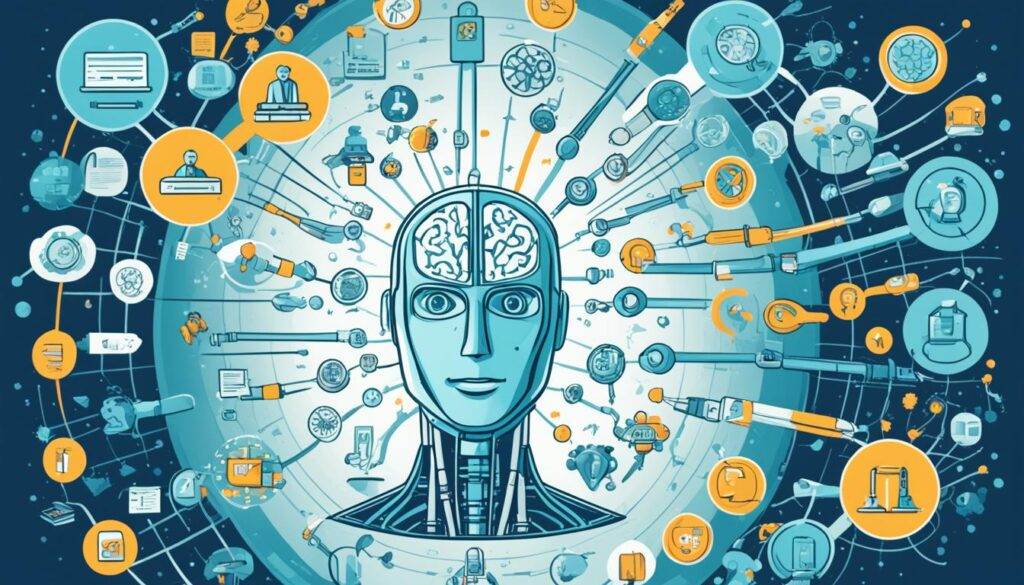
“The key to unlocking the true potential of AI lies in embracing its core qualities and aligning them with your organizational goals.”
Prioritizing Goals Over Technology
When it comes to leveraging goal-oriented AI, it’s crucial to focus on your objectives rather than getting caught up in the latest technological trends. Many organizations make the mistake of adopting AI implementation strategy without a clear understanding of how it can support their broader business objectives. This often leads to suboptimal outcomes and a failure to realize the full potential of the technology.
To overcome this challenge, start with a clear vision of what you aim to achieve, and then select the appropriate AI-driven transformation tools and strategies to support those goals. By taking a technology-agnostic approach, you can ensure that AI is seamlessly integrated into your workflow, driving meaningful improvements in efficiency, productivity, and decision-making.
Remember, the key is to align your AI with business objectives, not the other way around. This mindset shift can be transformative, helping you unlock the true power of goal-oriented AI and drive sustainable, long-term success for your organization.
“The goal is not to use AI for its own sake, but to leverage it in service of your broader business objectives.”
By prioritizing your goals over the technology, you can avoid the pitfalls of AI implementation and ensure that your investments in this transformative technology yield tangible, measurable results.
Measuring Progress with Analytics
To harness the true potential of AI, a data-driven approach is essential. By leveraging AI analytics, you can gain invaluable insights that inform your decision-making and optimise your AI implementation. This data-driven decision making unlocks the ability to measure the performance and impact of your AI-driven initiatives with precision.
The insights gleaned from AI-powered assessment can shed light on the effectiveness of your AI applications, allowing you to fine-tune your strategies and ensure they align with your overarching business goals. These AI-driven insights empower you to make informed decisions that drive tangible results, ultimately maximizing the value of your AI investment.
Data-Driven Insights
The key to successful AI implementation lies in your ability to analyse the wealth of data generated by your AI systems. By harnessing the power of AI analytics, you can uncover performance metrics that reveal the true impact of your AI-driven initiatives. This data-driven approach enables you to:
- Identify areas of strength and weakness within your AI applications
- Optimize your strategies based on actionable insights
- Align your AI implementation with your overall business objectives
- Continuously refine and improve your AI-powered solutions
Embracing this data-driven mindset is crucial for ensuring that your investment in AI pays off. With the right AI analytics in place, you can unlock the transformative potential of this technology and drive measurable success across your organisation.
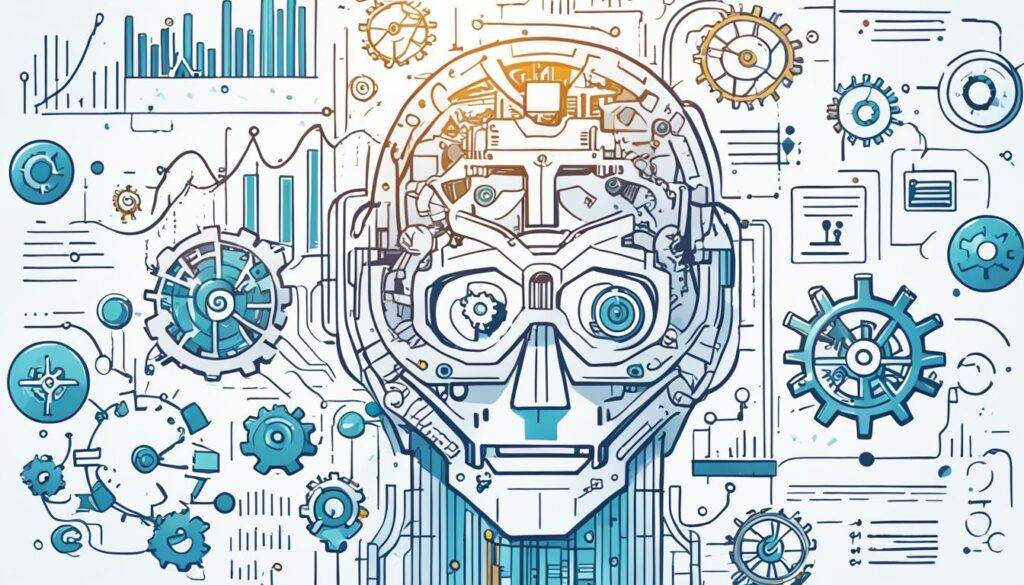
“The insights derived from AI-powered analytics can inform your decision-making, allowing you to fine-tune your AI implementation and ensure that it is delivering the desired outcomes.”
The Advantages of Open-Source AI
When it comes to leveraging the power of artificial intelligence (AI), the open-source nature of certain platforms can provide a distinct advantage. By embracing open-source AI solutions, you can unlock a world of possibilities that extend far beyond the confines of traditional, proprietary AI technologies.
One of the primary benefits of open-source AI is its inherent modularity. These platforms are designed to be highly customizable, allowing you to seamlessly integrate new features and functionalities without compromising the underlying codebase. This modular approach to open-source AI enables you to tailor the technology to your specific business needs, ensuring a perfect fit for your unique requirements.
Furthermore, the scalability of open-source AI solutions is a game-changer. As your business grows and your data needs evolve, these scalable AI platforms can expand to accommodate your changing requirements. This flexibility ensures that your AI-powered initiatives can keep pace with your organization’s trajectory, positioning you for long-term success.
But the advantages of open-source AI don’t end there. The collaborative nature of these platforms fosters a thriving community of developers and contributors, who continuously enhance the capabilities of the technology. This collaborative AI development model allows you to leverage the collective expertise and innovation of a global community, empowering you to stay ahead of the curve and access the latest advancements in the field of artificial intelligence.
By embracing open-source AI, you can unlock a greater degree of customizable AI solutions that cater to your unique business needs. This flexibility and adaptability are crucial in today’s rapidly evolving technological landscape, ensuring that your AI-powered initiatives remain relevant and effective, driving your organization towards sustained growth and success.

“The open-source AI revolution is transforming the way businesses harness the power of artificial intelligence, empowering them to tailor solutions that perfectly align with their strategic objectives.”
when to use AI
Determining when to leverage AI is a critical step in maximizing its impact within your organization. AI can be a powerful tool for streamlining workflows, enhancing operational efficiency, and driving innovation across a wide range of industries. However, it is essential to carefully evaluate the specific needs and challenges of your business to identify the right AI applications.
Factors such as the complexity of your operations, the availability of data, and the potential for automation should all be considered when deciding to implement AI. By aligning AI with your strategic objectives and addressing potential limitations or challenges, you can unlock the full benefits of the technology and ensure a successful integration within your organization.
Identifying Relevant AI Use Cases
To determine when to use AI, start by assessing your organization’s pain points and areas of opportunity. AI can be particularly effective in the following scenarios:
- Automating repetitive, high-volume tasks to improve efficiency and reduce human error
- Analyzing large datasets to uncover valuable insights and inform decision-making
- Enhancing customer experiences through personalized recommendations and chatbots
- Streamlining supply chain operations and optimizing logistics
- Detecting and preventing fraud or cybersecurity threats
Overcoming AI Adoption Challenges
While the benefits of AI can be significant, there may be challenges to its successful implementation. Some key considerations include:
- Data Quality and Availability – Ensure your organization has access to high-quality, relevant data to train and optimize AI models.
- Technological Readiness – Assess your existing technology infrastructure and skillsets to determine the level of AI adoption required.
- Change Management – Develop a comprehensive strategy to manage the cultural and organizational changes associated with AI implementation.
- Ethical Considerations – Establish clear guidelines and policies to address concerns around data privacy, bias, and the responsible use of AI.
By carefully evaluating your organization’s needs, challenges, and readiness for AI, you can unlock the technology’s full potential and drive meaningful, sustainable change within your business.

| AI Use Case | Potential Benefits | Considerations |
|---|---|---|
| Automated Workflow Optimization | Increased efficiency, reduced errors, and cost savings | Availability of structured data, integration with existing systems |
| Predictive Analytics and Forecasting | Improved decision-making, risk mitigation, and strategic planning | Data quality, model interpretability, and change management |
| Personalized Customer Experiences | Enhanced customer satisfaction, loyalty, and revenue growth | Privacy concerns, ethical use of data, and seamless integration with customer touchpoints |
“Successful AI implementation starts with a clear understanding of your organization’s needs and a well-defined strategy for leveraging the technology to achieve your goals.”
AI Assessment Models in Education
In the education sector, AI-powered assessment models have revolutionized the way we evaluate student learning and performance. These innovative solutions offer a range of benefits, from personalization to adaptability, transforming the educational landscape.
Personalization
One of the key advantages of AI assessment models is their ability to personalize the learning experience. By leveraging data-driven insights, these systems can tailor feedback, content, and assessments to the unique needs and abilities of each student. This personalized approach ensures that learners receive the support and challenges they require, maximizing their potential and engagement.
Adaptability
Adaptive assessments, powered by AI, can adjust the difficulty level and focus areas based on a student’s responses. As learners progress through the assessment, the system dynamically modifies the questions, providing a tailored experience that accurately gauges their knowledge and skills. This adaptability allows educators to gain a comprehensive understanding of each student’s strengths and weaknesses, enabling them to develop targeted instructional strategies.
By leveraging AI assessment models, educational institutions can enhance the effectiveness of their programs, optimize learning outcomes, and prepare students for the demands of the 21st-century economy. The data-driven insights generated by these models empower educators to make informed decisions, adjust instructional strategies, and provide targeted support to students, ultimately driving academic success.

“AI assessment models have the power to transform the way we evaluate and support student learning. By harnessing the power of personalization and adaptability, these innovative solutions are redefining the educational landscape.”
| Feature | Benefit |
|---|---|
| Personalized Feedback | Tailored support and challenges for each student |
| Adaptive Assessments | Comprehensive understanding of student knowledge and skills |
| Data-Driven Insights | Informed decision-making and targeted instructional strategies |
Developing and Training AI Models
The journey of creating powerful AI systems begins with the meticulous process of developing and training AI models. This intricate process involves several crucial stages, each playing a vital role in shaping the final product. Let’s dive into the details and explore how you can harness the potential of AI model development and training.
First and foremost, the foundation of any successful AI model lies in the collection of relevant data. Gathering high-quality, diverse data is the cornerstone of AI model development. This data then undergoes a careful preprocessing stage, where it is cleaned, organized, and transformed to ensure optimal input for the AI model.
With the preprocessed data in hand, the next step is to select the appropriate AI model for the task at hand. This decision is influenced by factors such as the complexity of the data, the desired performance metrics, and the specific goals of the project. Choosing the right model is crucial, as it sets the stage for effective training and, ultimately, the model’s success.
- AI model development: Carefully designing and structuring the AI model to suit the unique requirements of the project.
- Data collection: Gathering relevant, high-quality data to feed the AI model during the training process.
- Data preprocessing: Cleaning, organizing, and transforming the data to ensure it is in the optimal format for the AI model.
- Model selection: Choosing the most suitable AI model based on factors such as data complexity and desired performance.
- Model training: Iteratively refining the AI model by exposing it to the preprocessed data and evaluating its performance.
- Model evaluation: Continuously assessing the AI model’s accuracy, efficiency, and effectiveness to identify areas for improvement.
- AI model refinement: Making adjustments and enhancements to the AI model to enhance its capabilities and performance.
As the AI model undergoes training, its performance is meticulously evaluated, and refinements are made to improve its accuracy and effectiveness. This iterative process of development, training, and evaluation is essential for creating powerful, reliable, and adaptable AI systems that can deliver tangible benefits across various industries.
“The development and training of AI models is a complex but critical process that requires a deep understanding of data, model selection, and continuous refinement. By mastering this process, organizations can unlock the true potential of AI and drive meaningful, impactful change.”
By embracing the nuances of AI model development and training, you can unlock the transformative power of AI and unleash its full potential within your organization. Remember, the journey to AI excellence is paved with dedication, attention to detail, and a relentless pursuit of continuous improvement.

AI Applications Across Industries
Artificial Intelligence (AI) is revolutionizing a wide range of industries, from finance and national security to healthcare and transportation. The potential of this transformative technology is truly remarkable, and its impact is being felt across the global landscape.
In the financial sector, AI-powered tools are streamlining lending decisions, automating investment strategies, and enhancing fraud detection capabilities. These advancements are helping financial institutions better manage risks, improve customer experiences, and drive efficiencies in their operations.
Similarly, the realm of national security is benefiting immensely from AI. Governments and military organizations are leveraging AI to sift through vast amounts of data, identify patterns, and provide real-time intelligence to decision-makers. This enhanced analytical capability is proving invaluable in the fight against terrorism, cyber threats, and other national security challenges.
Within the healthcare industry, AI is assisting in the early detection of medical conditions, streamlining diagnostic processes, and optimizing patient care. By analyzing large datasets, AI algorithms can identify subtle patterns and anomalies that might otherwise be missed by human medical professionals, leading to more accurate and timely diagnoses.
The criminal justice system is also benefiting from the power of AI. Predictive analytics are being used to assess the likelihood of future criminal behavior, informing decision-making processes and helping to shape more effective rehabilitation and prevention programs.
In the transportation sector, AI-powered autonomous vehicles and smart infrastructure are redefining the way we move people and goods. These advancements promise to enhance safety, reduce congestion, and improve the overall efficiency of transportation networks.
These are just a few examples of the diverse and impactful applications of AI across various industries. As the technology continues to evolve and become more advanced, the possibilities for innovation and transformation are virtually limitless. By embracing the power of AI, businesses and organizations can unlock new opportunities, drive growth, and create a better future for all.

“Artificial Intelligence is not the future – it is the present. The sooner we embrace its transformative potential, the greater the rewards we will reap.”
Conclusion
In your journey to implement AI, the key to success lies in a strategic and goal-oriented approach. By prioritizing your business objectives over the technology itself, you can ensure that AI is leveraged to drive meaningful improvements in efficiency, productivity, and decision-making. The power of AI rests in its ability to automate tasks, uncover data-driven insights, and adapt to changing circumstances.
However, realizing the full potential of AI also requires careful consideration of privacy, ethics, and the evolving workforce dynamics. As you embark on your AI adoption, remember to measure progress through analytics, explore the advantages of open-source solutions, and stay attuned to the diverse applications of AI across industries. With a thoughtful and strategic mindset, you can position your organization for success and harness the transformative potential of artificial intelligence.
By embracing AI implementation, you can unlock a world of benefits for your business. From streamlining operations to gaining data-driven insights, the strategic use of AI can propel your organization forward. With the right AI strategy in place, you’ll be well on your way to maximizing the potential of this transformative technology and positioning your business for long-term success.
FAQ
What are the essential qualities of AI?
Why is it important to prioritize goals over the technology when leveraging AI?
How can data-driven analytics help maximize the potential of AI?
What are the advantages of embracing open-source AI platforms?
How can AI assessment models transform the education sector?
What are the key stages in the development and training of AI models?
How is AI transforming various industries?
Source Links
- Are You Maximizing eLearning Technology’s Potential? A Q&A With Open LMS Project Manager, Jorge Vela – https://www.openlms.net/blog/insights/maximizing-elearning-technology-potential/
- AI in Education: Maximizing Learning Potential Through Assessment Models – https://www.linkedin.com/pulse/ai-education-maximizing-learning-potential-through-models-mundia-kgfwf
- Optimizing AI Advantages: Best Practices for Maximizing Benefits – https://www.softude.com/blog/the-best-practices-to-maximize-ai-benefits