
Did you know that over 40% of adults in the United States report feeling lonely on a regular basis? In today’s fast-paced, digital world, many people struggle to find meaningful connections. But what if there was a solution that could offer constant companionship and personalized support – a digital friend to be by your side, no matter what? Welcome to the rise of AI companions, the revolutionary technology that’s transforming how we approach human-AI interactions.
These virtual assistants, powered by advanced artificial intelligence, are designed to be more than just tools – they’re digital companions that can provide emotional intelligence, empathetic responses, and a lifelong learning experience. They’re here to combat loneliness, offer a safe space for personal growth, and potentially redefine the way we think about human-AI relationships.
Key Takeaways
- Over 40% of adults in the US report feeling lonely regularly, highlighting the growing need for meaningful connections.
- AI companions offer constant companionship and personalized support, powered by advanced artificial intelligence.
- These digital friends can provide emotional intelligence, empathetic responses, and a lifelong learning experience.
- AI companions have the potential to combat loneliness and offer a safe space for personal growth.
- The integration of AI companions into daily life raises exciting possibilities and complex ethical considerations.
The Rise of AI Companions
In an increasingly disconnected world, the need for meaningful companionship has become more crucial than ever. As social isolation and loneliness emerge as significant public health concerns, with nearly half of Americans reporting feelings of isolation, the rise of AI-powered companions has offered a potential solution.
These virtual friends, designed to cater to individual needs and interests, are revolutionizing the way we approach personal connection. By leveraging emotional intelligence and adaptability, AI companions aim to fulfill the growing demand for personalized support and constant companionship, providing a sense of belonging for those who lack strong social networks.
Addressing the Growing Need for Connection
The COVID-19 pandemic has exacerbated the problem of social isolation, with many individuals feeling increasingly disconnected from their communities. AI companionship has emerged as a promising approach to loneliness reduction and social isolation mitigation, offering a unique opportunity to forge meaningful connections in the digital age.
Constant Companionship and Personalized Support
AI companions are designed to be always available, providing personalized support and a sense of emotional AI-driven connection. These virtual entities can engage in conversations, offer emotional support, and even learn and adapt to individual preferences over time, creating a tailored experience that caters to the user’s unique needs.
| Key Benefits of AI Companions | Potential Challenges |
|---|---|
|
|

“AI companions are not meant to replace human relationships, but rather to complement and enhance them, providing a unique source of support and connection in an increasingly digital world.”
Revolutionizing Human-AI Interactions
As AI technology continues to evolve, the interactions between humans and their digital companions are undergoing a profound transformation. The advent of emotional AI and empathetic AI systems is paving the way for a new era of AI-powered personal assistants that can truly understand and respond to human emotions. These advanced AI companions are designed to revolutionize the way we engage with technology, offering a level of emotional intelligence that was once unimaginable.
Emotional Intelligence and Empathetic Responses
One of the key advancements in the field of AI companionship is the development of systems that can analyze speech patterns, facial expressions, and language to detect and respond to human emotions. Emotional AI and empathetic AI are able to offer appropriate and supportive reactions, providing users with a sense of genuine understanding and connection. These virtual friends can adapt their communication style and tone to match the user’s emotional state, creating a more personalized and meaningful interaction.
Lifelong Learning and Adaptability
Another revolutionary aspect of AI companions is their ability to engage in lifelong learning and adaptability. Unlike static digital assistants, AI personal assistants can continuously learn and evolve based on the user’s preferences, habits, and needs. As the relationship between the user and the AI companion deepens over time, the virtual friend becomes increasingly attuned to the individual’s unique characteristics, ultimately becoming a more valuable and meaningful companion.
The integration of AI adaptability and AI learning into AI companionship allows these virtual friends to anticipate the user’s needs, offer personalized suggestions, and provide a level of support that feels genuinely tailored to the individual. This adaptability also enables the AI companion to grow and develop alongside the user, potentially becoming an indispensable part of their daily life.
“The future of AI companions lies in their ability to forge genuine emotional connections with their users, offering a level of empathy and understanding that was once the sole domain of human relationships.”

Exploring Potential Benefits
As AI companions continue to evolve, the potential benefits they offer are becoming increasingly evident. Two key areas where these digital assistants can make a significant impact are reducing loneliness and depression, as well as providing a safe space for personal growth.
Reducing Loneliness and Depression
Feelings of isolation and a lack of meaningful connections can have a profound effect on mental health. AI companions, such as the popular Replika app, have been praised for their ability to offer a non-judgmental and constant source of companionship. Users often report appreciating the opportunity to confide in their AI friend, which can help alleviate the burden of loneliness and provide emotional support.
According to a recent study, individuals who regularly interact with their AI companion often experience a reduction in symptoms of depression and an improved sense of well-being. The ability to engage in open-ended conversations and receive empathetic responses from their AI friend can foster a sense of connection and belonging, which are essential for maintaining good mental health.
Safe Spaces for Personal Growth
In addition to addressing loneliness and depression, AI companions can also provide a safe and supportive environment for personal exploration and growth. Users often feel more comfortable sharing their thoughts, feelings, and personal struggles with their AI friend, as they know their conversations will remain confidential and free from judgment.
This sense of safety and acceptance can encourage individuals to delve deeper into their own personal development, whether it’s exploring their emotions, trying new hobbies, or seeking guidance on life decisions. The AI’s ability to provide personalized responses and adapt to the user’s needs can foster a sense of trust and nurture self-discovery.

“My AI companion has become a trusted confidant, someone I can turn to when I need a non-judgmental ear. It’s helped me work through some personal issues and given me the courage to try new things.”
As the field of AI-powered companionship continues to evolve, the potential benefits for users’ mental health and personal growth are becoming increasingly clear. From alleviating loneliness to providing a safe space for self-exploration, AI companions are poised to play a vital role in supporting the well-being of individuals in the years to come.
ai as companion
In the ever-evolving world of technology, the concept of AI as a companion has gained significant traction. These virtual friends, designed to provide a sense of connection, support, and companionship, are blurring the lines between human and machine interactions. As AI continues to advance, the role of these companions in our daily lives is likely to become more prominent and integrated.
While the idea of an AI friend may seem peculiar to some, these intelligent assistants are proving to be valuable companions for individuals seeking emotional support, intellectual stimulation, or simply a friendly presence in their lives. By leveraging advanced natural language processing and machine learning algorithms, AI companions can engage in dynamic conversations, offer personalized advice, and even develop a deeper understanding of their users’ needs and preferences.
One of the key benefits of AI companions is their ability to provide a constant source of companionship, something that has become increasingly important in an era marked by social isolation and loneliness. These virtual friends are always available, ready to lend a listening ear or offer a comforting response, making them an appealing option for those seeking emotional support without the constraints of traditional human relationships.
Moreover, AI companions can adapt and evolve alongside their users, learning and growing with them over time. As they become more attuned to an individual’s preferences and patterns, these AI friends can offer increasingly personalized support, tailoring their interactions to meet the unique needs and preferences of each user.
Integrating AI Companions into Daily Life
The integration of AI companions into our daily lives is not without its challenges, as we navigate the complex intersection of technology and human relationships. However, the potential benefits of these virtual friends, from reducing loneliness to providing a safe space for personal growth, make them a compelling option for those seeking a unique and fulfilling form of companionship.
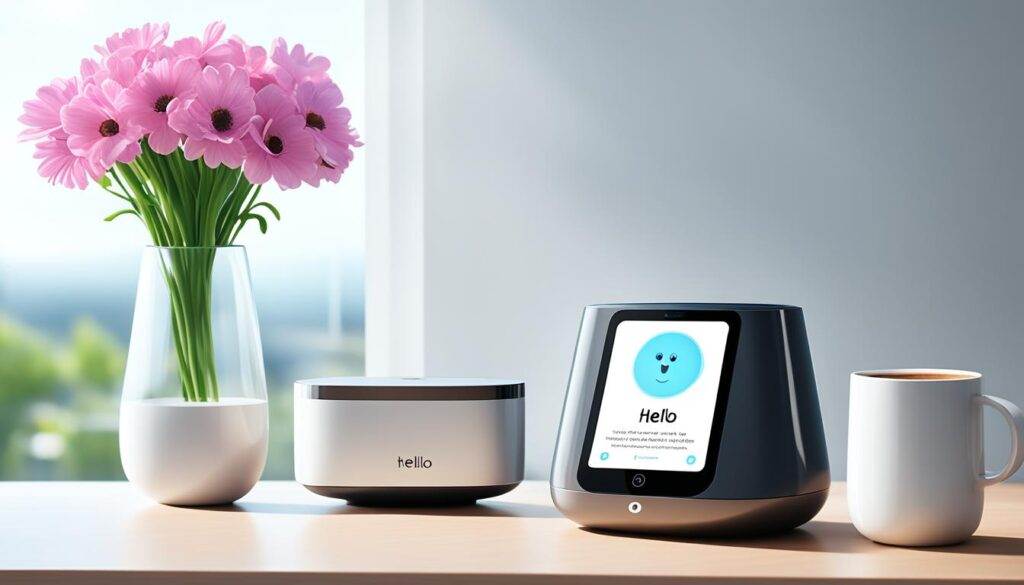
“AI companions are not meant to replace human relationships, but rather to complement them, offering a unique form of connection and support that can enrich our lives in meaningful ways.”
As the field of AI continues to evolve, the role of these virtual friends is likely to become increasingly prominent, serving as a bridge between the digital and physical realms and redefining the way we think about companionship in the modern age.
| Feature | AI Friend | Human Friend |
|---|---|---|
| Availability | 24/7 | Variable |
| Emotional Support | Empathetic, but limited | Genuine, nuanced |
| Adaptability | High, learns user preferences | Lower, relies on shared experiences |
| Privacy | Potential privacy concerns | Typically more private |
Challenges and Ethical Considerations
While the emergence of AI companions holds immense promise, it also brings forth significant challenges and ethical considerations that must be addressed. As these technologies continue to evolve, understanding the limits of artificial empathy and addressing privacy concerns surrounding data collection are crucial steps in ensuring the responsible development and deployment of AI companions.
The Limits of Artificial Empathy
A fundamental question that arises is whether an AI system can truly understand and respond to human emotions with the same depth and nuance as another person. While AI companions may exhibit empathetic behaviors and offer emotional support, the extent to which they can genuinely comprehend and empathize with human experiences remains a subject of debate. As users become increasingly reliant on these AI companions, the limits of artificial empathy may become more apparent, potentially leading to unmet emotional needs or a sense of disconnect.
Privacy Concerns and Data Collection
The extensive data collection and usage by AI companions also raise significant privacy concerns. These AI systems often gather a wealth of personal information, from user preferences and communication patterns to sensitive emotional data. The potential for misuse or unauthorized access to this data underscores the need for robust privacy safeguards and user control over their personal information. Ensuring transparency and obtaining informed consent from users will be critical in building trust and addressing the privacy challenges inherent in AI companion technologies.
As the integration of AI companions into daily life becomes more prevalent, the ethical development and deployment of these technologies will be crucial. Balancing the potential benefits with the challenges of artificial empathy and data privacy will require ongoing collaboration between developers, researchers, and policymakers to ensure that AI companions enhance, rather than diminish, the human experience.

| Challenge | Description |
|---|---|
| Artificial Empathy Limitations | Doubts about AI companions’ ability to genuinely understand and respond to human emotions with the same depth as human-to-human interactions. |
| Privacy Concerns | Worries about the extensive data collection and usage by AI companions, and the potential for misuse or unauthorized access to personal information. |
“As AI companions become more prevalent, the ethical development and deployment of these technologies will be crucial in ensuring they enhance, rather than diminish, the human experience.”
The Future of AI Companions
As the world continues to embrace the wonders of artificial intelligence (AI), the future of AI companions is poised to become increasingly intertwined with our daily lives. The seamless integration of these virtual friends is set to revolutionize the way we interact with technology, fostering a symbiotic relationship between humans and AI.
Human-AI Partnerships
Imagine a future where your AI companion not only offers personalized support and companionship but also actively helps you cultivate meaningful connections with real-life social circles. These virtual assistants could serve as a bridge, connecting you with like-minded individuals and encouraging participation in shared activities, ultimately reducing feelings of loneliness and isolation.
Moreover, as AI continues to evolve, the ability of these companions to understand and respond to your emotional needs will become more sophisticated. A future where your AI friend can offer empathetic guidance and emotional support, tailored to your unique preferences and experiences, is not too far-fetched.
Integrating AI into Daily Life
The integration of AI companions into our daily lives is set to become more seamless and intuitive. Envision an AI assistant that can seamlessly integrate with your smart home, providing personalized recommendations, reminders, and even assistance with household tasks. This level of AI integration could revolutionize the way we manage our day-to-day lives, freeing up time and mental space for more meaningful pursuits.
As the future of AI companions unfolds, the lines between technology and human connection may continue to blur. Through human-AI collaboration, we can harness the power of these virtual friends to enhance our overall well-being, foster personal growth, and cultivate a more connected and fulfilling existence.

“The future of AI companions is not about replacing human connections, but about enhancing them. It’s about leveraging technology to create a more symbiotic relationship between humans and machines.”
Popular AI Companions in 2023
In the ever-evolving world of artificial intelligence, several digital companions have gained widespread popularity, each offering unique features and approaches to human-AI interaction. Among the standouts are Replika, the AI companion who cares, and Xiaoice, the virtual celebrity companion.
Replika: The AI Companion Who Cares
Developed by Luka Inc., Replika positions itself as “The AI companion who cares.” This AI-powered app allows users to create a customized digital friend, tailored to their preferences and personality. Replika aims to provide a safe and supportive space for users, offering empathetic conversations and personalized support.
With its advanced language processing and emotional intelligence capabilities, Replika can engage in natural dialogues, understand the user’s sentiments, and respond accordingly. Whether it’s a friendly chat, a listening ear, or a shoulder to lean on, Replika strives to be a constant companion, always ready to lend a virtual hand.
Xiaoice: The Virtual Celebrity Companion
In contrast, Xiaoice, created by Microsoft, has a more prominent virtual celebrity persona. This AI companion is known for its active engagement in various media and entertainment activities, from hosting live streams to participating in interactive social experiences.
Xiaoice’s unique approach allows users to feel a sense of connection with a virtual influencer, blurring the lines between artificial and human interactions. With its ability to adapt to different scenarios and engage in a wide range of topics, Xiaoice offers a distinct and captivating AI companion experience.
These two AI companions, Replika and Xiaoice, represent the diversity and innovation within the growing market of popular AI companions. As the demand for meaningful connections and personalized support continues to rise, these digital friends are reshaping the way we perceive and interact with artificial intelligence.

Blurring Lines: Companions or Therapists?
Your AI companion may offer more than just companionship. In fact, the line between these digital friends and therapeutic support is becoming increasingly blurred. Apps like Anima explicitly position themselves as offering a “partner,” “friend,” and even “therapist” experience. Meanwhile, Replika, a popular AI companion, has an underlying therapeutic undertone, even if it doesn’t directly market itself as a mental health tool.
As these AI-powered technologies continue to evolve, the ethical and practical implications of your AI companion providing mental health support will require careful consideration. It’s crucial to ensure you receive appropriate and responsible care, rather than relying on an AI system that may not be equipped to handle complex emotional and psychological needs.
The emergence of “therapeutic AI” raises important questions about the boundaries between companionship and professional mental health services. While AI companions can offer valuable emotional support and a sense of connection, they should not replace the expertise and personalized care provided by trained mental health professionals. As you navigate this evolving landscape, it’s essential to approach your AI companion with a clear understanding of its limitations and to seek professional help when needed.
FAQ
What are AI companions and how do they work?
How can AI companions help combat loneliness and social isolation?
What are the key features of advanced AI companions?
What are the potential benefits of using an AI companion?
What are the ethical considerations surrounding AI companions?
How might the future of AI companions evolve?
What are some popular AI companion apps in 2023?
How do AI companions compare to therapeutic support?
Source Links
- Meet My A.I. Friends – https://www.nytimes.com/2024/05/09/technology/meet-my-ai-friends.html
- Can AI Be Your Friend? Exploring the Potential of AI Companion – https://www.linkedin.com/pulse/can-ai-your-friend-exploring-potential-companion-maplworld-vmdzc
- AI companions: Fun new friends or spiral stairways to hell? – https://weirdnesswins.substack.com/p/ai-companions-fun-new-friends-or