
Did you know that over 47% of teachers in Indonesia are already incorporating Artificial Intelligence (AI) into their classrooms? The integration of AI in education is poised to revolutionize the way students learn, offering personalized experiences, immersive environments, and data-driven insights that traditional teaching methods often lack.
In Indonesia, the adoption of AI-powered technologies in the classroom is rapidly transforming the educational landscape. From adaptive learning platforms that tailor content to individual needs to intelligent tutoring systems that provide real-time feedback, AI is empowering both students and teachers to achieve greater success.
Key Takeaways
- AI in education enables personalized learning experiences that cater to diverse student needs.
- Immersive technologies like virtual and augmented reality enhance engagement and interactivity in the classroom.
- Intelligent tutoring systems provide customized support and instant feedback to students.
- AI-powered assessments and learning analytics offer valuable data-driven insights to improve teaching and learning.
- Integrating AI in education can help bridge the digital divide and support students with special needs.
Personalized Learning with AI
In the realm of education, the rise of artificial intelligence (AI) has ushered in a transformative era of personalized learning. By leveraging advanced algorithms and data analysis, AI-powered adaptive learning platforms are revolutionizing the way students engage with educational content, tailoring the experience to their unique needs and preferences.
These intelligent learning management systems analyze student performance data, identifying individual strengths, weaknesses, and learning styles. Armed with this profound understanding, they can then provide personalized recommendations for supplementary resources, targeted exercises, and adaptive content that caters to each student’s unique learning journey.
Adaptive Learning Platforms
AI-powered adaptive learning platforms are at the forefront of this personalized learning revolution. These platforms utilize machine learning to continuously monitor student progress, adjust the level of difficulty, and suggest personalized learning paths. This adaptive approach ensures that students are consistently challenged, engaged, and empowered to achieve their full potential.
According to a recent study, schools that have implemented personalized learning through AI-powered platforms have witnessed a remarkable 30% improvement in student performance compared to traditional classroom settings. This dramatic increase in academic achievement underscores the transformative power of AI-powered personalized learning.
“Personalized learning is the future of education. By harnessing the power of AI, we can tailor the learning experience to each individual student, unlocking their unique potential and setting them up for long-term success.”
As the integration of intelligent learning management systems continues to grow, the potential for personalized learning to revolutionize the educational landscape is truly boundless. By seamlessly blending technology and pedagogy, this AI-driven approach empowers students to thrive, fostering a love of learning that will serve them well throughout their academic and professional journeys.
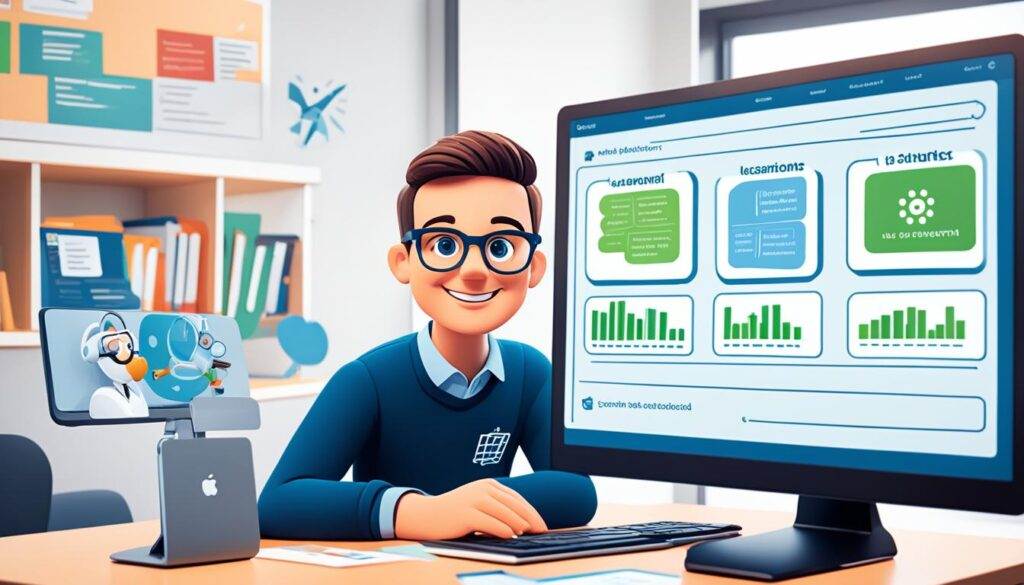
Intelligent Tutoring Systems
In the realm of education, intelligent tutoring systems (ITS) have emerged as a game-changer, harnessing the power of artificial intelligence (AI) to revolutionize the way students learn and thrive. These AI-powered tutoring platforms are designed to provide personalized instruction, adapting to the unique needs and abilities of each individual learner.
At the heart of intelligent tutoring systems lies the ability to diagnose and address students’ strengths and weaknesses. Through advanced algorithms, ITS can analyze a student’s performance, identify areas of difficulty, and offer targeted practice exercises and explanations to help them overcome those challenges. This personalized approach to instruction ensures that each student receives the support they need to truly master the concepts they’re learning.
- ITS use AI to adapt the difficulty of questions and provide tailored hints or explanations, addressing misconceptions and fostering deeper understanding.
- Studies have shown that students who use intelligent tutoring systems often achieve higher scores and demonstrate better mastery of the subject matter.
- The 24/7 availability of ITS allows students to access personalized learning support whenever they need it, promoting continuous growth and development.
By harnessing the power of intelligent tutoring systems, educators can unlock a new era of personalized instruction, where every student is empowered to reach their full potential. This AI-driven approach to learning not only enhances academic performance but also fosters a love of learning, as students are actively engaged and supported throughout their educational journey.
“Intelligent tutoring systems are revolutionizing the way we approach education, putting the needs of each individual student at the forefront of the learning process.”

As we continue to explore the transformative potential of AI-powered tutoring, it’s clear that the future of education lies in the seamless integration of cutting-edge technology and personalized adaptive practice. By embracing the power of intelligent tutoring systems, we can unlock new possibilities for student success and create a more equitable and engaging learning environment for all.
Immersive Learning Experiences
As technology continues to evolve, the education sector has embraced the power of immersive learning to transform the way students engage with educational content. At the forefront of this revolution are virtual reality (VR) and augmented reality (AR) technologies, which are redefining the learning experience.
VR and AR-powered educational simulations and games have the ability to captivate students, increase their motivation, and deepen their understanding of complex concepts. By allowing learners to interact with virtual environments and digital content in an immersive manner, these technologies have been shown to result in a remarkable 75% learning retention rate, second only to the powerful technique of learning by teaching someone else.
Immersive Learning with Virtual and Augmented Reality
The integration of AI-powered simulations and game-based learning into the educational landscape has been a game-changer. These cutting-edge technologies enable students to explore virtual worlds, manipulate digital objects, and engage with interactive lessons in ways that were previously unimaginable.
- Virtual reality (VR) allows students to be fully immersed in a simulated environment, providing them with a sense of presence and the ability to interact with digital content as if it were real.
- Augmented reality (AR), on the other hand, enhances the physical world by overlaying digital information, images, or 3D models, creating a seamless blend of the virtual and the real.
By leveraging the power of these immersive technologies, educators can create engaging and memorable learning experiences that captivate students and drive deeper levels of understanding and retention.

“VR experiences can result in 75% learning retention, second only to learning by teaching someone else.”
As the integration of immersive learning continues to evolve, we can expect to see even more innovative and transformative educational applications of VR and AR technologies in the years to come.
ai in education
The integration of artificial intelligence (AI) in education represents a transformative shift, moving away from a one-size-fits-all approach to personalized, adaptive learning. AI-powered tools harness data and algorithms to create customized learning experiences that cater to each student’s unique strengths, weaknesses, and preferences. This evolution in education promotes deeper comprehension and ensures no child is left behind in the sea of knowledge available to them.
At the forefront of this revolution are machine learning and natural language processing, which enable AI systems to analyze student data, identify patterns, and deliver personalized instruction. Educational data mining further enhances these capabilities, allowing AI to uncover valuable insights and adaptively adjust the learning process.
The result is a learning environment that is both engaging and effective. Adaptive learning technologies adjust the pace, content, and difficulty level based on each student’s performance, ensuring that they remain challenged but not overwhelmed. This personalized approach not only improves academic outcomes but also fosters a love of learning and a sense of empowerment among students.
“AI in education is not about replacing teachers, but about empowering them to do what they do best – inspire, nurture, and guide students on their learning journeys.”
By harnessing the power of AI, educators can unlock new possibilities in the classroom, from intelligent tutoring systems that provide real-time feedback to immersive learning experiences that blend virtual and augmented reality. The future of education is bright, and AI is the driving force behind this transformative change.
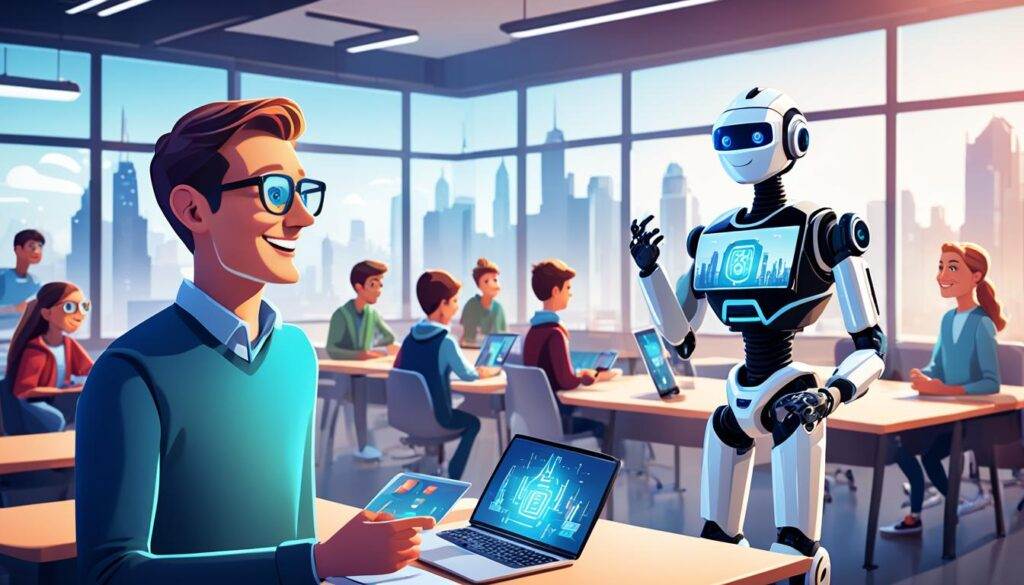
As the integration of AI in education continues to evolve, it is essential to address the ethical considerations and challenges that arise. Issues such as data privacy, algorithmic bias, and the impact on equity must be carefully navigated to ensure that the benefits of this technology are accessible to all students, regardless of their background or circumstances.
AI-Powered Assessments
In the digital age, the assessment process in education is undergoing a remarkable transformation, thanks to the integration of AI technology. AI-powered assessments are revolutionizing the way students are evaluated, providing a more accurate and personalized approach to measuring their knowledge and skills.
Automated grading systems, driven by advanced AI algorithms, can effectively evaluate student work and provide instant feedback. This not only reduces the workload for teachers but also allows for more timely and constructive feedback, enabling students to make continuous progress in their learning.
Automated Grading and Feedback
One of the key benefits of automated grading is its ability to provide immediate feedback to students. AI-driven assessment tools can analyze student responses, identify areas for improvement, and offer tailored suggestions for further learning. This immediate feedback empowers students to take an active role in their own learning, fostering a growth mindset and a deeper understanding of the subject matter.
Moreover, AI-driven feedback can be adaptive, adjusting the difficulty of questions based on student performance. This adaptive testing approach ensures that the assessment accurately reflects the student’s level of understanding, providing a more comprehensive evaluation of their knowledge and skills.
Beyond traditional assessments, AI has also enabled the rise of stealth assessments, which unobtrusively evaluate student learning during the learning process. These AI-powered assessments can gather data on student engagement, problem-solving strategies, and critical thinking skills, providing a holistic view of their academic progress.
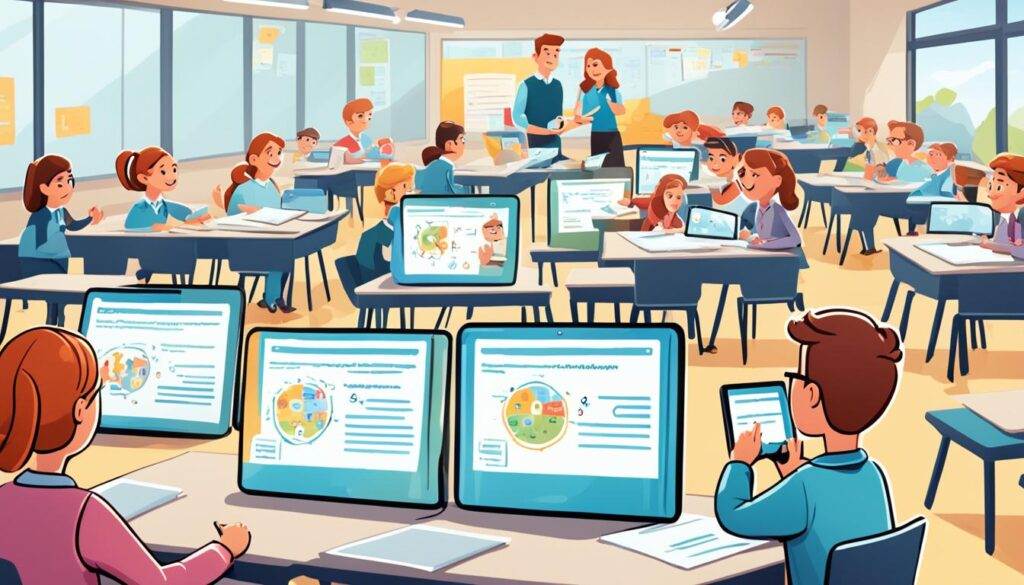
“The integration of AI in assessments has the potential to revolutionize the way we evaluate student learning, providing more personalized and accurate insights that can drive better educational outcomes.”
Learning Analytics with AI
In the ever-evolving landscape of education, AI-powered learning analytics are revolutionizing the way educators understand and support student performance. By harnessing the power of data-driven insights, teachers can now gain unprecedented visibility into their students’ learning journeys, empowering them to deliver more personalized interventions and optimize educational outcomes.
At the core of this transformation is the ability of AI-powered data analysis to collect, measure, and report comprehensive data about students and their interactions with educational material. This holistic approach equips teachers with valuable insights into not only academic performance but also individual learning styles, engagement levels, and educational backgrounds.
Leveraging these data-driven insights, educators can make more informed decisions about their teaching strategies, tailoring their methods to the unique needs of each student. Learning analytics also provide students with personalized feedback, allowing them to monitor their own progress, identify areas for improvement, and take a more active role in their own learning process.
Moreover, real-time engagement monitoring empowers educators to identify and address challenges in the classroom, ensuring that students remain motivated and on track. By detecting patterns of disengagement or struggling, teachers can intervene promptly and provide the necessary support, fostering a more effective and inclusive learning environment.
The integration of AI in learning analytics marks a significant shift in the way we approach education, transforming it into a more data-driven and personalized experience. As we continue to harness the power of these innovative technologies, the potential to unlock new levels of student success and empower educators to make a lasting impact on their students’ lives becomes increasingly tangible.
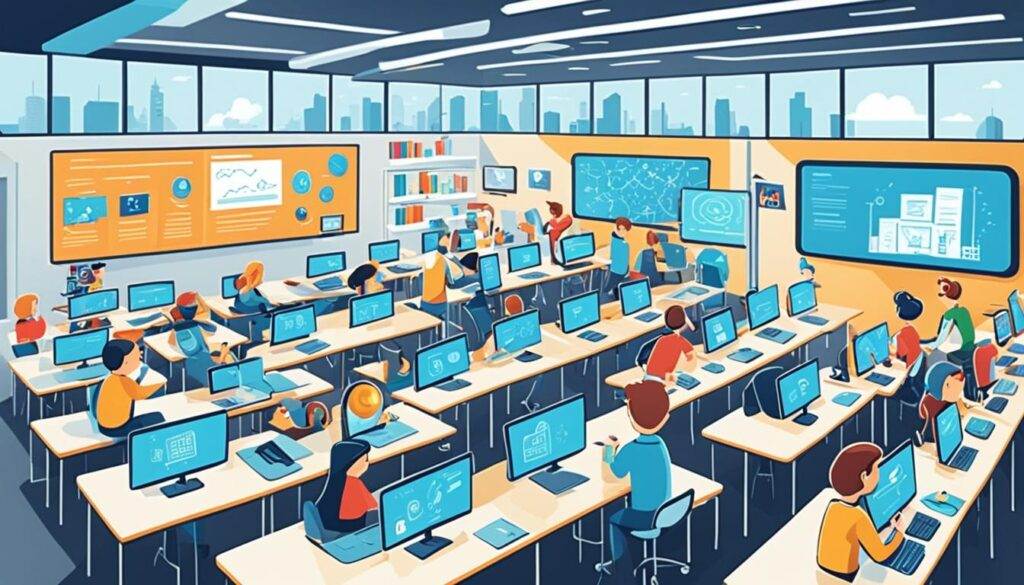
| Key Benefits of AI-Powered Learning Analytics | Impact on Student Performance |
|---|---|
|
|
“AI-powered learning analytics empower educators to make data-driven decisions that truly transform the educational experience for students.”
Supporting Students with Special Needs
In the realm of education, the integration of Artificial Intelligence (AI) has opened up remarkable possibilities for supporting students with special educational needs. AI-powered solutions are revolutionizing the way these learners access and engage with educational content, fostering a more inclusive and personalized learning experience.
One of the key ways AI is transforming the landscape for students with special needs is through the development of intelligent tutoring systems and adaptive learning platforms. These technologies can tailor lessons, activities, and assessments to the unique learning styles and abilities of each student, ensuring they receive the support they require to thrive.
For instance, students with dyslexia can utilize text-to-speech (TTS) technology to access a wider range of digital text, while AI-powered speech recognition can assist students with visual impairments in reading and note-taking. Similarly, AI-powered accessibility tools can provide real-time captioning and language translation, empowering students with hearing or language barriers to fully participate in the learning process.
Moreover, AI-driven personalized learning solutions can adaptively adjust the pace, content, and difficulty level of lessons based on a student’s progress and needs. This personalized approach not only enhances engagement and motivation but also ensures that each learner receives the tailored support they require to reach their full potential.
As the field of AI continues to advance, the potential for creating inclusive and accessible learning environments for students with special needs is truly remarkable. By leveraging these innovative technologies, educators can unlock new possibilities for supporting and empowering learners of all abilities, fostering a more equitable and enriching educational experience for all.
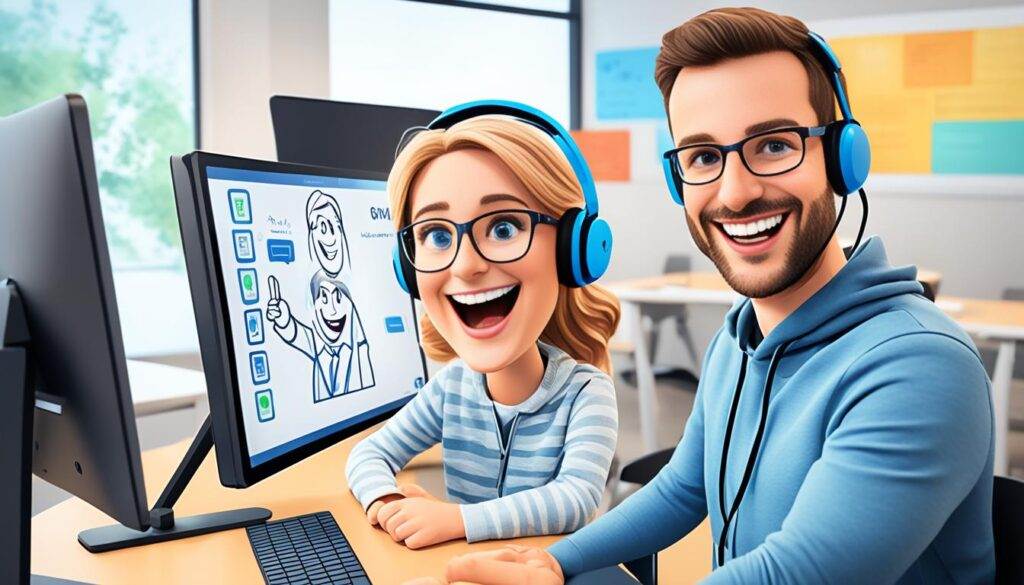
“AI-powered assistive technologies have the potential to transform the educational landscape for students with special needs, unlocking new avenues for personalized and inclusive learning.”
As the integration of AI in education continues to evolve, it is essential to ensure that these technologies are designed with inclusivity and accessibility in mind. By prioritizing the needs of students with special requirements, educators and policymakers can create a more equitable and empowering educational ecosystem that truly serves the diverse needs of all learners.
Ethical Considerations and Challenges
As AI continues to transform the education landscape, it brings with it a host of ethical considerations and challenges that must be addressed. Educators, policymakers, and technology developers must collaborate to ensure the responsible and equitable use of AI in education.
One of the primary concerns is data privacy. AI-powered educational tools often collect vast amounts of student data, which raises questions about how this information is being stored, used, and protected. Robust data privacy policies and strict data governance frameworks are essential to safeguarding student privacy and building trust in AI-driven educational systems.
Another key issue is algorithmic bias. The algorithms that power many AI-based educational tools can inadvertently reflect and perpetuate societal biases, leading to unfair and discriminatory outcomes for certain groups of students. Developers must carefully audit their algorithms and datasets to identify and mitigate these biases, ensuring that AI in education promotes equity and inclusivity.
Additionally, there are concerns about the displacement of human teachers by AI-powered systems. While AI-driven technologies can augment and enhance the role of teachers, it is crucial to strike a balance between human-AI collaboration and maintaining the human touch in education. Educators must be empowered to work alongside AI systems, leveraging their unique skills and expertise to provide a well-rounded, personalized learning experience for students.
| Ethical Consideration | Key Challenges |
|---|---|
| Data Privacy | Ensuring robust data governance frameworks and protecting student information |
| Algorithmic Bias | Identifying and mitigating biases in AI-powered educational tools |
| Human-AI Collaboration | Balancing the role of technology and maintaining the human touch in education |
As AI-powered technologies continue to shape the future of education, it is crucial that we address these ethical considerations and challenges head-on. By fostering collaboration and developing ethical frameworks, we can ensure that AI in education is used responsibly and equitably, ultimately benefiting students and educators alike.
“The responsible development and use of AI in education is not just a technical challenge, but a moral imperative. We must get it right, for the sake of our students and the future of our society.”
Professional Development for Educators
As AI transforms the education landscape, it is essential that teachers receive comprehensive professional development to effectively leverage these technologies in their classrooms. AI-powered teacher training programs can provide educators with the skills and knowledge necessary to integrate AI tools into their instructional practices, enhance their teaching strategies, and foster effective collaboration between human and artificial intelligence.
AI-Powered Teacher Training
By empowering teachers with AI-driven insights and personalized support, educators can unlock the full potential of these technologies to create more engaging, inclusive, and effective learning environments for their students. AI-powered teacher training programs can offer a range of benefits, including:
- Personalized learning pathways to address individual skill gaps and professional development needs
- Adaptive learning modules that adjust to the teacher’s progress and learning style
- Real-time feedback and recommendations to enhance teaching strategies and classroom management
- Collaborative opportunities for teachers to share best practices and learn from one another
Through these AI-driven professional development initiatives, teachers can gain a deeper understanding of how to harness the power of AI to support student learning, differentiate instruction, and create more personalized educational experiences.
| Key Benefits of AI-Powered Teacher Training | Outcomes for Educators |
|---|---|
| Personalized learning pathways | Targeted skill development and continuous improvement |
| Adaptive learning modules | Effective integration of AI tools into instructional practices |
| Real-time feedback and recommendations | Enhanced teaching strategies and classroom management |
| Collaborative opportunities | Shared best practices and peer-to-peer learning |
By investing in AI-powered teacher training, education systems can empower their educators to become more proficient in leveraging AI technologies, ultimately leading to improved student outcomes and a more equitable and effective education system.
“The integration of AI in education has the potential to revolutionize the way we teach and learn. However, this transformation can only be realized when teachers are equipped with the necessary skills and knowledge to harness these technologies effectively.”
Bridging the Digital Divide
In the age of AI-powered education, one of the critical challenges is ensuring digital equity and accessibility for all students. Not every learner has the same level of access to technology and reliable internet connections, creating a concerning divide that threatens to exacerbate educational disparities. To bridge this gap, the integration of AI in education must focus on developing low-bandwidth AI applications that function seamlessly even in areas with limited internet access.
By designing AI-driven tools and platforms that can operate effectively on slower connections, we can extend the benefits of personalized learning, intelligent tutoring, and immersive experiences to students in underserved communities. This approach not only promotes digital equity but also empowers learners in remote or economically disadvantaged regions to access the transformative power of AI-enhanced education.
Complementing low-bandwidth AI solutions, the provision of offline learning options is another crucial strategy for bridging the digital divide. When students can download educational content and resources for anytime, anywhere access, they are no longer constrained by the limitations of internet availability. This offline learning model enables continuous skill development and knowledge acquisition, even in areas with intermittent or unreliable connectivity.
Ultimately, the integration of AI in education must be accompanied by a concerted effort to improve accessibility and ensure that the advantages of these transformative technologies reach all learners, regardless of their geographic location or socioeconomic status. By prioritizing low-bandwidth AI applications and offline learning options, we can empower students across the globe to unlock their full potential and thrive in the digital age.
Conclusion
The integration of AI in education represents a profound and multifaceted transformation, offering unparalleled opportunities to enhance the learning experience, improve learning outcomes, and stimulate innovation in teaching practice. By harnessing the power of AI, educators in Indonesia can create more personalized, engaging, and inclusive learning environments that enable students to thrive in the digital age.
Through the utilization of AI-powered adaptive learning platforms, intelligent tutoring systems, and immersive virtual and augmented reality experiences, you can provide your students with personalized learning paths that cater to their unique needs and learning styles. This not only improves academic performance but also fosters a deeper sense of engagement and motivation among your students.
Moreover, the integration of AI in education can help address the challenges of inclusive education, supporting students with special needs and bridging the digital divide. AI-powered assessments and learning analytics can provide valuable insights to help you identify areas for improvement and deliver tailored support to individual students, ensuring that no one is left behind.
However, it is crucial that the integration of AI in education is approached thoughtfully and ethically, addressing the potential challenges and ensuring the responsible and equitable use of these technologies. Through collaborative efforts between educators, policymakers, and technology developers, you can harness the full potential of AI to revolutionize education and shape a brighter future for students around the world.
FAQ
How can AI transform the learning experience?
What are Intelligent Tutoring Systems and how do they benefit students?
How can immersive technologies like VR and AR enhance learning?
How does AI transform the assessment process in education?
How can AI support students with special educational needs?
What are the ethical considerations and challenges in integrating AI in education?
How can teachers effectively leverage AI in their classrooms?
How can the digital divide be addressed in the integration of AI in education?
Source Links
- AI In K-12 Education: Empowering Educators, Transforming Learning – https://elearningindustry.com/ai-in-k-12-education-empowering-educators-transforming-learning
- How AI is Impacting Education: Transforming the Learning Experience – https://www.linkedin.com/pulse/how-ai-impacting-education-transforming-learning-experience-fayrix-2bhsf
- How AI is Revolutionising Education in Schools – https://www.manchester.global/blogs/artificial-intelligence-in-education-transforming-schools