
Did you know that the global AI ethics market is projected to reach a staggering $3.9 billion by 2028? This exponential growth underscores the critical importance of developing AI systems that are not only technologically advanced but also ethically aligned. As artificial intelligence (AI) continues to permeate every aspect of our lives, from self-driving cars to virtual personal assistants, the need to ensure its responsible development has never been more pressing.
Responsible artificial intelligence (AI) is the practice of developing and using AI systems in a way that prioritizes the wellbeing of society. This means addressing ethical concerns like algorithmic bias, data privacy, and transparency, all while harnessing the transformative power of AI to benefit humanity. The goal is to create trustworthy AI that is reliable, fair, and aligned with our values.
Key Takeaways
- The global AI ethics market is projected to reach $3.9 billion by 2028, underscoring the critical importance of responsible AI development.
- Responsible AI focuses on addressing ethical concerns like bias, privacy, and transparency to ensure AI systems benefit society.
- Building trustworthy AI that is reliable, fair, and aligned with human values is the ultimate goal of responsible AI practices.
- Responsible AI development requires a multifaceted approach, including establishing ethical frameworks, fostering collaboration, and ensuring regulatory oversight.
- The future of AI hinges on striking a delicate balance between innovation and ethics, guiding the technology’s advancement in a responsible and socially conscious manner.
What is Responsible AI?
In the fast-paced world of technological innovation, the development of artificial intelligence (AI) has become increasingly critical for businesses and organizations. However, with the growing power and influence of AI systems, there is a heightened need to ensure that these technologies are deployed responsibly and ethically. This is where the concept of responsible AI comes into play.
Defining Responsible AI
Responsible AI is an approach to the design, development, and deployment of artificial intelligence that prioritizes ethical principles and legal compliance. The goal is to create AI systems that are trustworthy, transparent, and unbiased, with a focus on minimizing potential harms and maximizing the positive impact on society. Responsible AI encompasses a range of considerations, from data privacy and security to algorithmic fairness and accountability.
The Importance of Responsible AI Development
As responsible AI becomes increasingly vital for organizations, there is a growing need to proactively drive fair, ethical AI decisions while ensuring compliance with relevant laws and regulations. Developing and applying AI along the principles of AI ethics requires transparency in decision-making processes and the establishment of actionable policies. This not only helps to build trust in AI systems but also contributes to the sustainable tech progress that benefits both businesses and the wider community.

Responsible AI development is crucial as AI becomes more business-critical for organizations. By embracing the principles of responsible AI, businesses can leverage the power of AI while mitigating potential risks and upholding their ethical and legal obligations.
Principles of Ethical AI
As the use of artificial intelligence (AI) continues to expand across various industries, there is a growing emphasis on the importance of ethical principles to guide its development and deployment. These principles are essential for ensuring that AI systems are designed and implemented in a responsible manner that benefits both individuals and society as a whole.
Fairness and Non-Discrimination
One of the fundamental principles of ethical AI is fairness and non-discrimination. This means ensuring that AI systems do not exhibit biases or make decisions that unfairly disadvantage certain groups or individuals based on factors such as race, gender, age, or socioeconomic status. Careful consideration must be given to the datasets used to train AI models, as well as the algorithms and decision-making processes employed, to mitigate the risk of perpetuating or amplifying existing societal biases.
Transparency and Explainability
Another critical principle of ethical AI is transparency and explainability. AI systems should be designed in a way that allows for a clear understanding of how they work and how they arrive at their decisions. This is important for building trust and ensuring accountability, as users and stakeholders should be able to comprehend the reasoning behind the AI’s actions. Transparent and explainable AI systems can also help identify and address potential issues or concerns more effectively.
Privacy and Data Protection
The collection and use of personal data is a crucial aspect of many AI applications. Consequently, the principles of privacy and data protection are essential. AI systems must be designed to respect individual privacy, safeguard sensitive information, and provide users with control over how their data is collected, stored, and used. Adhering to data privacy regulations and implementing robust security measures are crucial for maintaining public trust and ensuring the ethical deployment of AI.
By embedding these principles of fairness, transparency, and privacy into the development and deployment of AI, we can strive to create systems that not only benefit society but also uphold the fundamental values of ethical and responsible technology.

Challenges in Developing Ethical AI
As the field of artificial intelligence (AI) continues to evolve, the need for responsible and ethical development becomes increasingly crucial. One of the primary challenges in this pursuit is addressing the issue of ai bias and algorithmic discrimination.
Addressing Bias and Discrimination
AI systems are only as unbiased as the data they are trained on. If the data used to train machine learning models reflects societal biases and inequalities, the resulting algorithms can perpetuate or even amplify these issues. Developers must be vigilant in identifying and mitigating potential biases throughout the AI development process.
Another challenge is ensuring ai transparency, where users and stakeholders can understand how AI algorithms arrive at their decisions. Without transparency, it becomes difficult to hold AI developers accountable for the ai accountability of their systems, which can have significant implications for individuals and communities affected by their outputs.
“The key to developing ethical AI is to build in transparency and accountability from the ground up, not as an afterthought.”
Addressing these challenges requires a multifaceted approach that combines technical solutions, such as data auditing and algorithm testing, with robust governance frameworks and stakeholder engagement. Collaboration between AI developers, policymakers, and the broader community is essential to paving the way for a future where AI technology is truly aligned with societal values and human wellbeing.

By proactively addressing the challenges of bias, discrimination, transparency, and accountability, we can unlock the immense potential of AI while ensuring it is developed and deployed in a responsible and ethical manner. This is a critical step in realizing the transformative benefits of AI while mitigating its risks and unintended consequences.
ai ethics
Ethical considerations are paramount in the development of artificial intelligence (AI). As AI systems become increasingly advanced and integrated into our daily lives, it is crucial to establish robust ethical frameworks to guide their creation and deployment. AI ethics, at its core, focuses on ensuring that these powerful technologies are developed and used in a manner that respects human rights, promotes fairness, and safeguards the well-being of individuals and society as a whole.
One of the key principles of ethical AI is fairness and non-discrimination. AI systems must be designed to treat all individuals equitably, regardless of their race, gender, or other personal characteristics. Addressing algorithmic bias and ensuring that AI does not perpetuate or exacerbate societal inequities is a critical challenge facing developers and policymakers.
Transparency and explainability are also essential elements of responsible AI development. AI systems should be designed in a way that allows for clear understanding of how they arrive at their decisions and recommendations. This transparency is crucial for building trust, enabling effective oversight, and ensuring accountability.
Privacy and data protection are equally important. As AI systems rely on vast amounts of data, it is imperative that this information is collected, stored, and used in a manner that respects individual privacy rights and complies with relevant regulations.
“The development of full artificial intelligence could spell the end of the human race…It would take off on its own, and re-design itself at an ever-increasing rate. Humans, who are limited by slow biological evolution, couldn’t compete, and would be superseded.” – Stephen Hawking
Addressing these ethical AI challenges requires a collaborative effort from technology companies, policymakers, and the broader public. By working together to establish global standards, regulatory frameworks, and transparent best practices, we can unlock the immense potential of AI while ensuring that it remains a force for good, enhancing rather than replacing human capabilities.
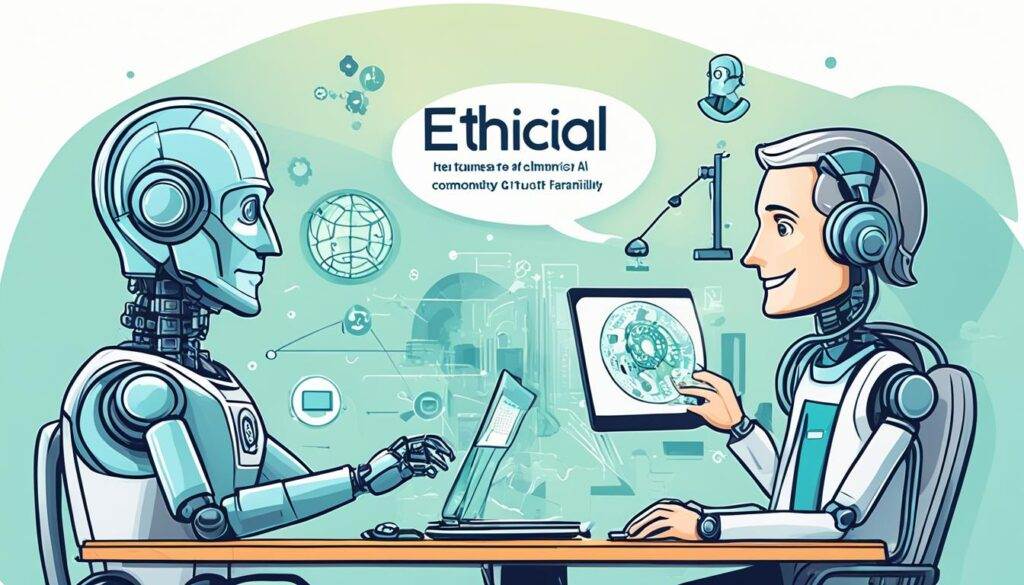
The path to ethical AI is not without obstacles, but it is a journey that must be undertaken with diligence and foresight. By prioritizing ai ethics and responsible AI development, we can harness the transformative power of AI while safeguarding the rights and well-being of all people.
Responsible AI Implementation
Implementing responsible AI requires organizations to create actionable policies of AI ethics, weaving ethical considerations throughout the AI life cycle from inception to real-world application. This process involves establishing clear ethical AI frameworks and fostering collaboration across disciplines to ensure the development of ethical and inclusive AI systems.
Establishing Ethical AI Frameworks
Responsible implementing responsible ai starts with developing comprehensive ethical AI frameworks. These frameworks outline the principles, guidelines, and oversight mechanisms that guide the design, development, and deployment of AI applications. By establishing clear ethical standards, organizations can ensure that AI systems are aligned with core values, such as fairness, transparency, and accountability.
Effective ethical AI frameworks often include the following key components:
- Ethical AI principles: Defining the ethical principles that must be upheld, such as non-discrimination, privacy protection, and human oversight.
- Risk assessment and mitigation: Implementing robust processes to identify and mitigate potential risks associated with AI systems, including biases and unintended consequences.
- Governance and accountability: Establishing clear lines of responsibility and oversight, such as AI ethics committees, to monitor compliance and guide decision-making.
- Transparency and explainability: Ensuring that AI systems are transparent and their decision-making processes are explainable, enabling accountability and building trust.
Fostering Collaboration and Inclusivity
Developing ethical ai frameworks is a collaborative effort that requires input from diverse stakeholders, including AI developers, domain experts, ethicists, policymakers, and end-users. By fostering a culture of collaborative ai development, organizations can leverage different perspectives and expertise to create more robust and inclusive AI systems.
Key strategies for promoting collaboration and inclusivity in responsible AI implementation include:
- Establishing cross-functional teams: Bringing together individuals with diverse backgrounds and skillsets to collaborate on AI projects.
- Engaging with external stakeholders: Seeking input and feedback from community groups, advocacy organizations, and subject matter experts to ensure AI systems are aligned with societal values.
- Providing ongoing education and training: Investing in educational initiatives to enhance AI literacy and ethical awareness among all stakeholders involved in the AI development process.
- Promoting diversity and inclusion: Actively working to create diverse and inclusive AI teams, ensuring that a wide range of perspectives and experiences are represented.
By establishing ethical AI frameworks and fostering collaborative and inclusive development processes, organizations can pave the way for the responsible implementation of AI technologies, ultimately building trust and driving positive societal impact.
The Role of Governments and Organizations
As the world embraces the transformative potential of artificial intelligence (AI), governments and international organizations have a crucial role to play in shaping responsible AI governance. With the rapid advancements in AI technology, it is essential to establish robust regulatory frameworks and industry-wide standards to ensure the ethical and accountable development and deployment of AI systems.
Regulatory Frameworks and Standards
Governments around the world are taking proactive steps to address the challenges of ai governance and ai regulation. Many have introduced or are in the process of developing comprehensive ai regulation and guidelines to promote the responsible use of AI. These regulatory frameworks aim to establish clear guidelines, safeguards, and accountability measures to mitigate the risks associated with AI, such as bias, privacy violations, and lack of transparency.
Concurrently, global standards organizations, such as the International Organization for Standardization (ISO) and the International Electrotechnical Commission (IEC), are actively collaborating to develop industry-wide ai standards. These standards provide a common framework for the design, development, and deployment of AI systems, ensuring that they adhere to principles of ethical AI, including fairness, transparency, and accountability.
By working in tandem, governments and international organizations are creating a robust ecosystem that fosters the responsible innovation of AI. This collaborative approach ensures that the benefits of AI are realized while the potential risks are effectively managed, ultimately paving the way for the ethical and sustainable advancement of this transformative technology.

“The role of governments and organizations in ai governance is crucial in shaping a future where AI is harnessed for the greater good, while ensuring the protection of fundamental rights and democratic values.”
Case Studies: Ethical AI in Practice
In recent years, several high-profile examples have underscored the need for responsible artificial intelligence (AI) development and deployment. These real-world ethical AI case studies and real-world AI ethics examples highlight the profound impact that AI-driven decisions can have on individuals and society.
One such case that sparked a broader discussion on accountability and responsibility in the tech sector was the incident with Apple’s credit card. A married couple reported experiencing gender-based discrimination when applying to raise their credit limit, despite having similar financial profiles. This incident demonstrated the potential for AI systems to perpetuate biases and the importance of proactively addressing such issues during the development and deployment of AI technologies.
“The Apple Card situation is a sobering example of the real-world impact that AI-driven decisions can have on people’s lives. It underscores the urgent need for organizations to prioritize ethical considerations in their AI initiatives.”
Another notable case study is the use of facial recognition technology by law enforcement agencies, which has raised concerns about privacy, accuracy, and potential discrimination. These systems have been known to struggle with recognizing people of color, leading to wrongful arrests and highlighting the need for robust testing and oversight to ensure ethical AI practices.
| Case Study | Key Ethical Considerations | Outcome and Lessons Learned |
|---|---|---|
| Apple Credit Card Gender Discrimination | Fairness, Non-Discrimination, Transparency | The incident sparked a wider discussion on the importance of accountability and responsibility in AI development. It underscored the need for organizations to proactively address biases and ensure their AI systems are designed and deployed with ethical principles in mind. |
| Facial Recognition in Law Enforcement | Privacy, Accuracy, Non-Discrimination | The challenges with facial recognition technology, particularly its struggles in accurately identifying people of color, have raised concerns about privacy rights and the potential for perpetuating biases. This has led to calls for greater oversight and regulation to ensure the ethical use of such technologies. |
These ethical AI case studies and real-world AI ethics examples underscore the importance of responsible AI development and the need for organizations to prioritize ethical considerations throughout the entire AI lifecycle. By learning from these cases and proactively addressing the challenges they present, we can work towards a future where AI is developed and deployed in a way that benefits society while upholding the principles of fairness, transparency, and accountability.

The Future of Ethical AI
As the field of artificial intelligence (AI) continues to evolve, the need for a comprehensive framework for ethical AI practices becomes increasingly crucial. With the rapid development of groundbreaking technologies like generative AI, balancing innovation and responsible AI implementation is essential to ensure both technological advancements and ethical considerations.
Emerging Trends and Technologies
The future of ethical AI is marked by several emerging trends and technologies. There is a growing adoption of key principles such as fairness, transparency, and accountability, as organizations and policymakers strive to create more inclusive and trustworthy AI systems. Additionally, the development of flexible and adaptive policies is crucial to keep pace with the ever-changing landscape of AI and its ethical implications.
Opportunities and Challenges Ahead
The pursuit of the future of ethical AI presents both exciting opportunities and daunting challenges. On the one hand, advancements in AI ethics trends can lead to more equitable and responsible AI applications, benefiting society as a whole. However, AI ethics challenges remain, such as addressing data bias, mitigating algorithmic discrimination, and navigating the impact of AI on employment and the economy.
Navigating the complexities of the future of ethical AI will require a collaborative effort between industry, government, and the public. By fostering open dialogue, establishing robust regulatory frameworks, and embracing the diverse perspectives of all stakeholders, we can strive to unlock the full potential of AI while ensuring it aligns with our shared values of fairness, transparency, and accountability.

“The future of ethical AI lies in our ability to balance innovation and responsible development, enabling us to harness the power of technology while upholding the principles of fairness, transparency, and accountability.”
Balancing Innovation and Ethics
In the rapidly evolving world of artificial intelligence (AI), striking a balance between innovation and ethical considerations is a critical challenge facing the technology industry. As AI becomes more pervasive in our daily lives, companies must navigate the delicate interplay between pushing the boundaries of innovation and upholding responsible AI development practices.
To achieve this balance, organizations can take several proactive steps. Firstly, it’s essential to establish clear ethical AI principles that guide the development and deployment of AI systems. These principles should prioritize fairness, transparency, privacy, and accountability, ensuring that AI-powered solutions are designed with the well-being of users and society in mind.
- Build diverse and inclusive teams: Encourage diversity in the AI development process, bringing together experts from various backgrounds to foster a range of perspectives and mitigate the risk of biases.
- Implement tools and processes for detecting and mitigating biases: Utilize advanced analytical tools and rigorous testing procedures to identify and address potential biases in AI algorithms and data sets.
- Prioritize user-centric design: Focus on designing AI systems that respect user privacy, provide transparent explanations of their decision-making, and empower individuals to maintain control over their personal data.
- Develop flexible and adaptive policies: Adopt a dynamic approach to AI governance, allowing for regular updates and revisions to ensure that policies keep pace with the rapidly evolving technological landscape.
- Adopt data minimization practices: Collect and use only the minimum amount of data necessary for the intended purpose, reducing the risk of privacy breaches and misuse of personal information.
- Collaborate with regulatory bodies and industry organizations: Actively engage with policymakers, industry associations, and other stakeholders to stay informed about evolving standards and regulations, and contribute to the development of responsible AI guidelines.
By embracing these strategies, companies can strike a delicate balance between fostering balancing AI innovation and responsible AI development, ensuring that the benefits of AI are realized while safeguarding the ethical and societal implications of this transformative technology.
“The future of AI is not about pitting innovation against ethics, but rather about finding ways to harness the power of technology in a way that respects human values and promotes the greater good.”
Conclusion
As the journey through the intricate world of AI ethics unfolds, one thing is clear – the responsible development of artificial intelligence is paramount. By upholding the principles of fairness, transparency, and privacy, you can ensure that the power of AI is harnessed for the greater good of society.
The path forward may be dotted with challenges, but through collaborative efforts and adherence to international standards, you can navigate these uncharted waters. Regulatory frameworks that keep pace with the rapid advancements in AI technology will be crucial in shaping a future where AI and ethics coexist harmoniously.
Ultimately, the success of responsible AI lies in your hands. By prioritizing AI ethics in your organizations and embracing the opportunities that ethical AI presents, you can unlock a world of possibilities – one where innovation and ethics go hand in hand, benefiting both businesses and the communities they serve.