
Artificial intelligence is fundamentally reshaping how businesses operate, compete, and deliver value in today’s rapidly evolving marketplace. Organizations that strategically implement AI are witnessing unprecedented improvements in operational efficiency, customer experiences, decision-making capabilities, and innovation potential. This transformative technology isn’t just changing what businesses can do—it’s redefining what’s possible across industries and functions.
Ready to Transform Your Business with AI?
Speak with Dee Ferdinand, our AI transformation specialist, to discover how your organization can leverage artificial intelligence for competitive advantage.
Key Areas Where AI Drives Business Transformation
Artificial intelligence isn’t a singular technology but rather a collection of capabilities that can transform virtually every aspect of business operations. Understanding the key areas where AI creates the most significant impact is essential for developing an effective transformation strategy.
Operational Efficiency
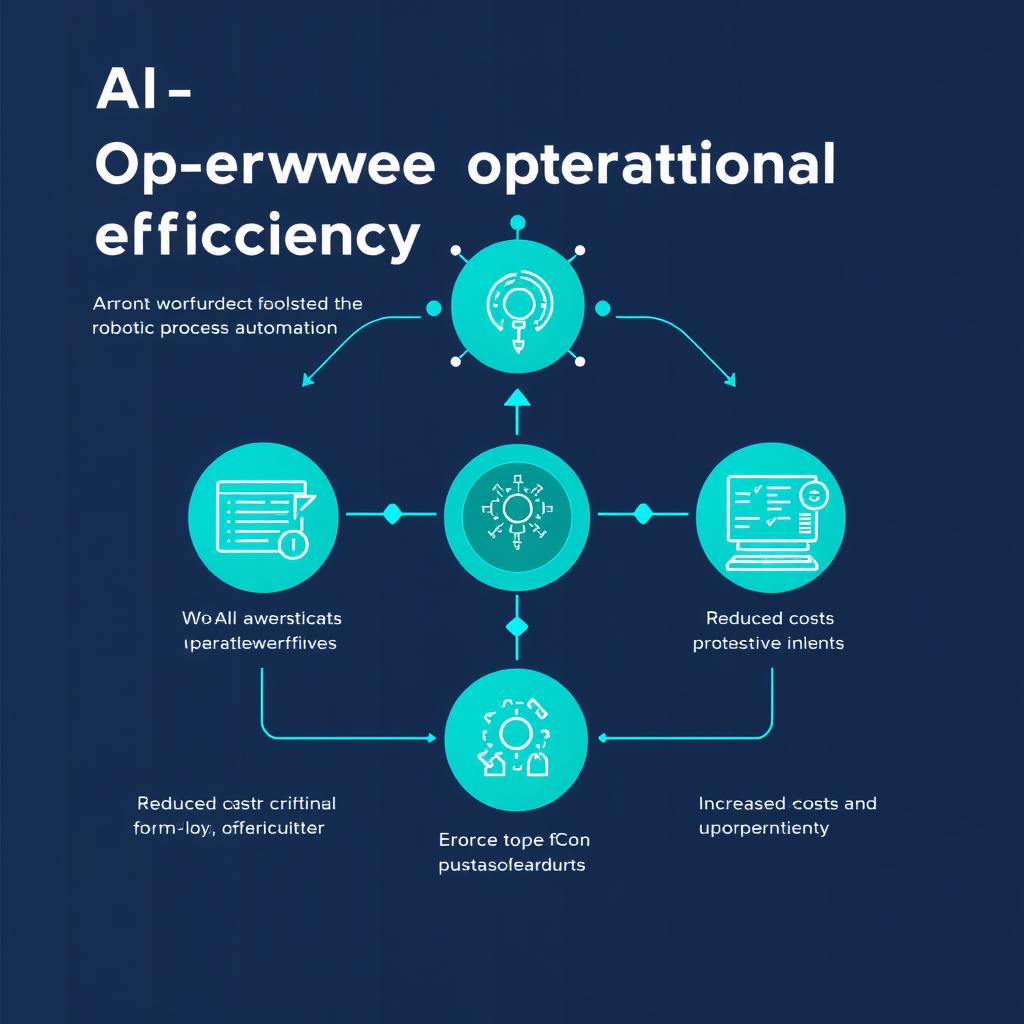
AI technologies like machine learning and robotic process automation are revolutionizing back-office operations by automating repetitive tasks, reducing errors, and accelerating processing times. Organizations implementing AI-driven operations report cost reductions of 15-40% while simultaneously improving quality and consistency.
Customer Experience
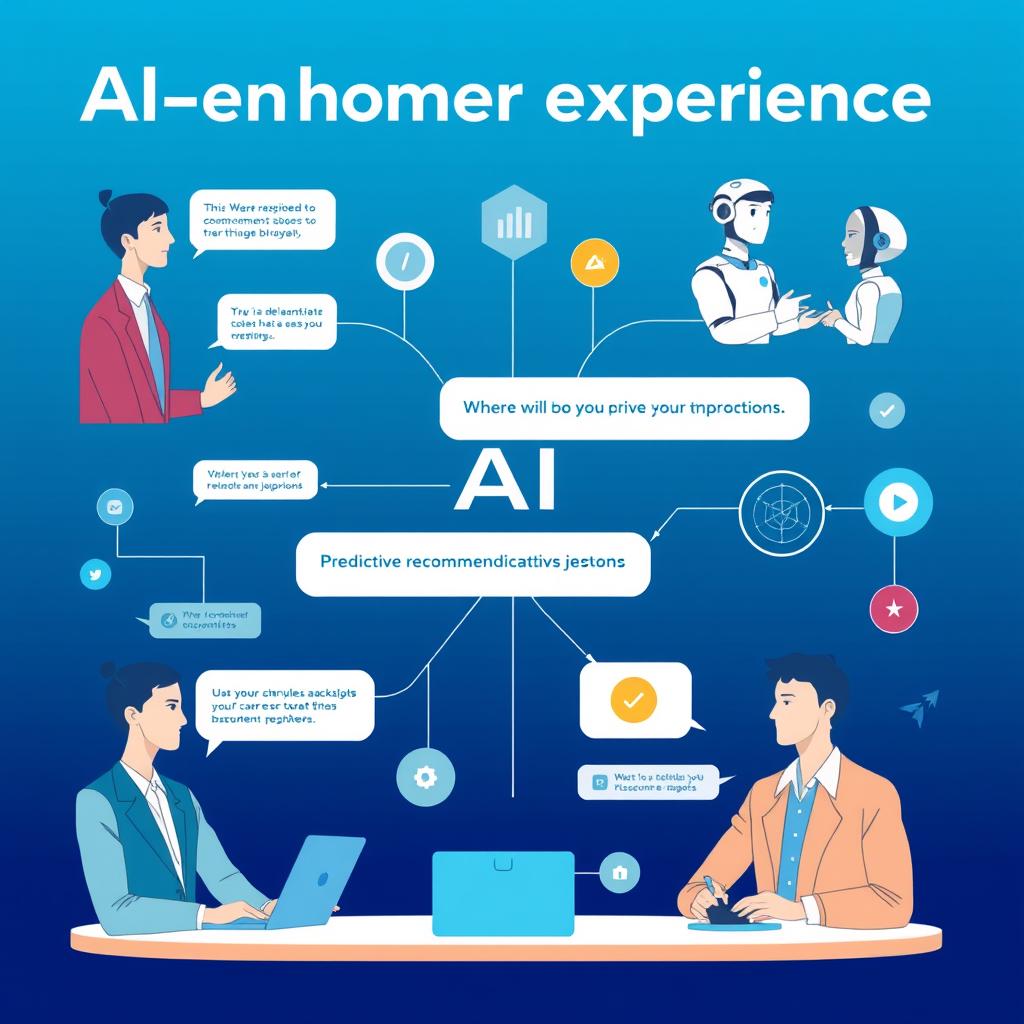
AI enables hyper-personalization at scale through intelligent analysis of customer data, preferences, and behaviors. From AI-powered chatbots providing 24/7 support to predictive recommendation engines that anticipate customer needs, businesses are using AI to create more relevant, responsive, and rewarding customer journeys.
Data-Driven Decision Making

By processing vast amounts of structured and unstructured data, AI provides business leaders with deeper insights and predictive capabilities that were previously impossible. This transforms decision-making from reactive to proactive, allowing organizations to identify opportunities and mitigate risks with greater speed and accuracy.
Product & Service Innovation
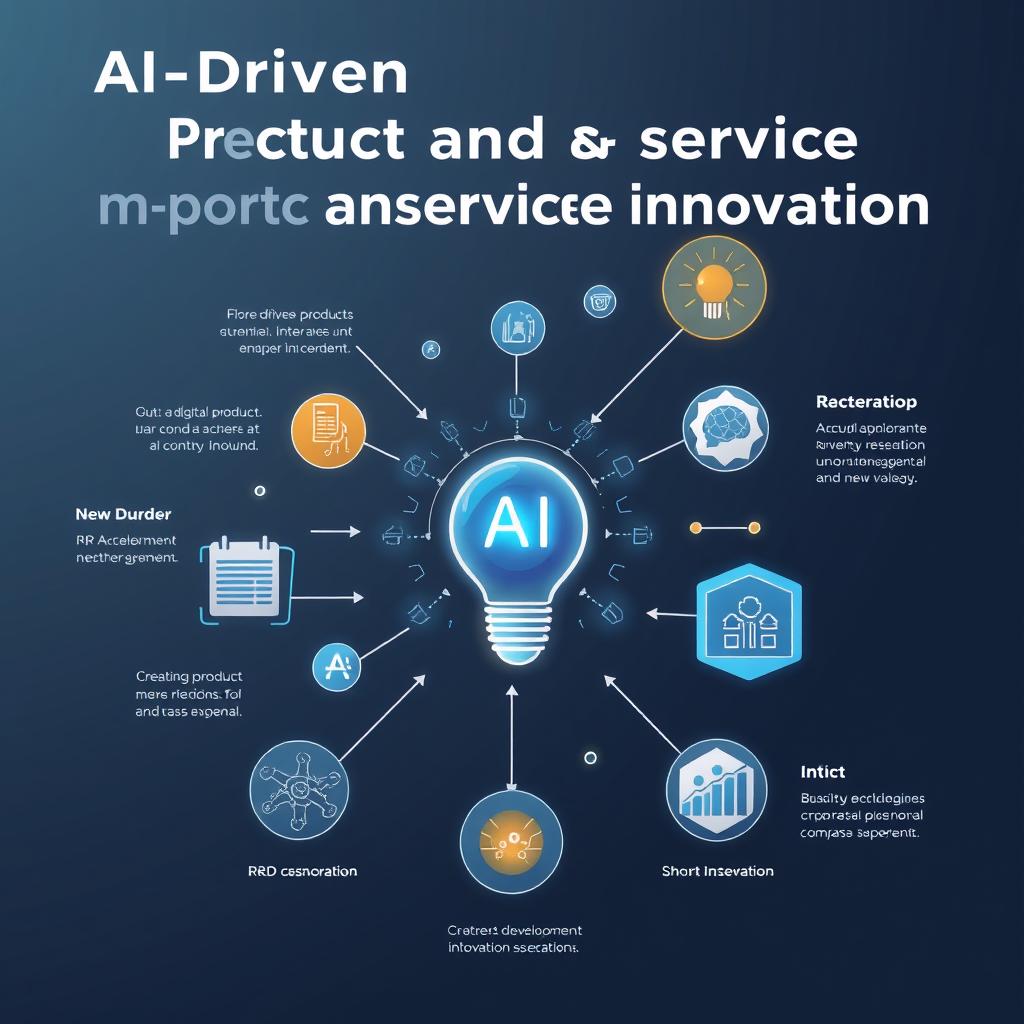
AI is accelerating the pace of innovation by helping businesses identify unmet needs, optimize product development cycles, and create entirely new offerings. From AI-designed products to intelligent services that adapt to user behavior, organizations are leveraging AI to differentiate themselves in competitive markets.
Workforce Transformation

Rather than replacing humans, effective AI implementation augments employee capabilities by automating routine tasks and providing tools that enhance creativity, problem-solving, and specialized work. This transformation requires new skills and mindsets but ultimately creates more engaging and valuable roles.
Business Model Reinvention
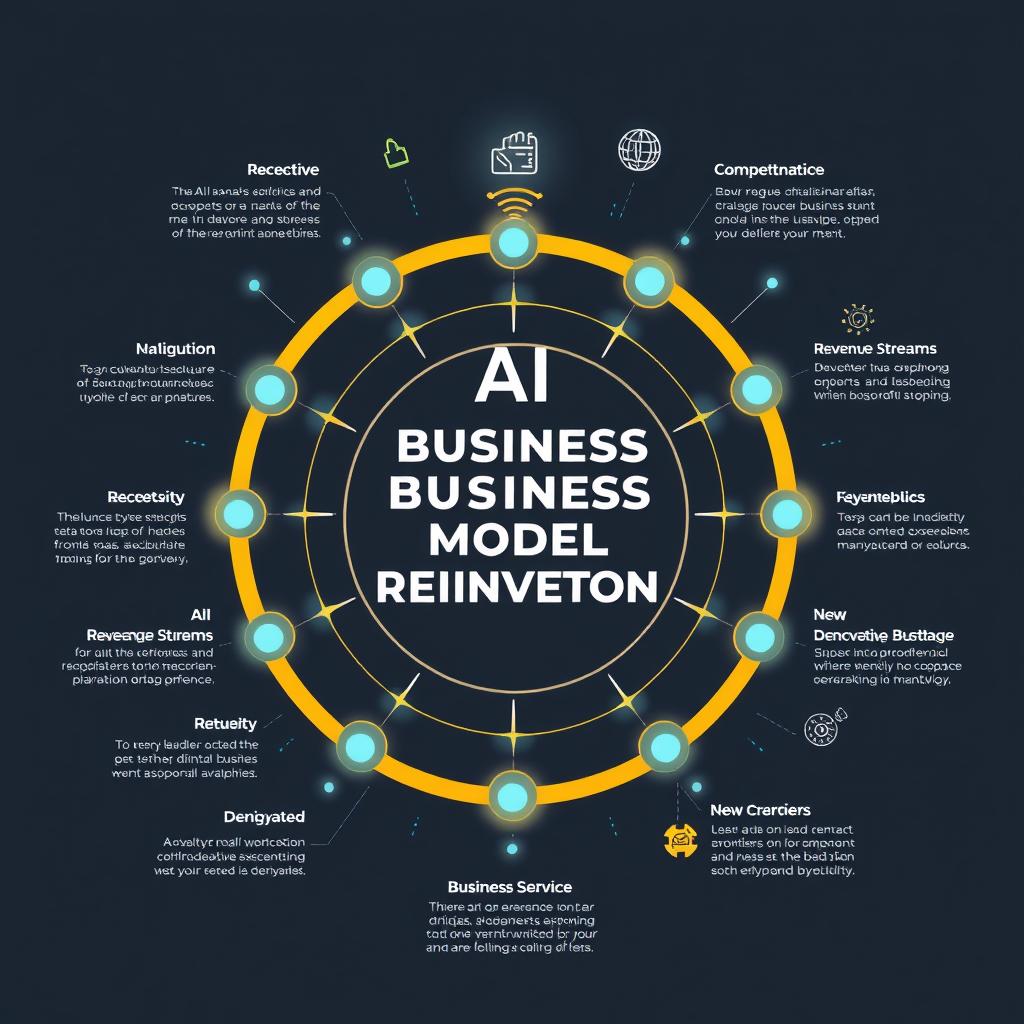
Perhaps most profoundly, AI enables organizations to reimagine their fundamental business models. From subscription-based services powered by predictive analytics to platform businesses that leverage AI to create network effects, companies are using AI to create entirely new ways of delivering and capturing value.
Identify Your AI Transformation Opportunities
Wondering which areas of your business could benefit most from AI implementation? Dee Ferdinand can help you assess your organization’s unique needs and opportunities.
Real-World Examples of Successful AI Implementation
Across industries, forward-thinking organizations are already realizing significant benefits from their AI transformation initiatives. These case studies illustrate the practical applications and tangible outcomes of strategic AI adoption.
Manufacturing Excellence
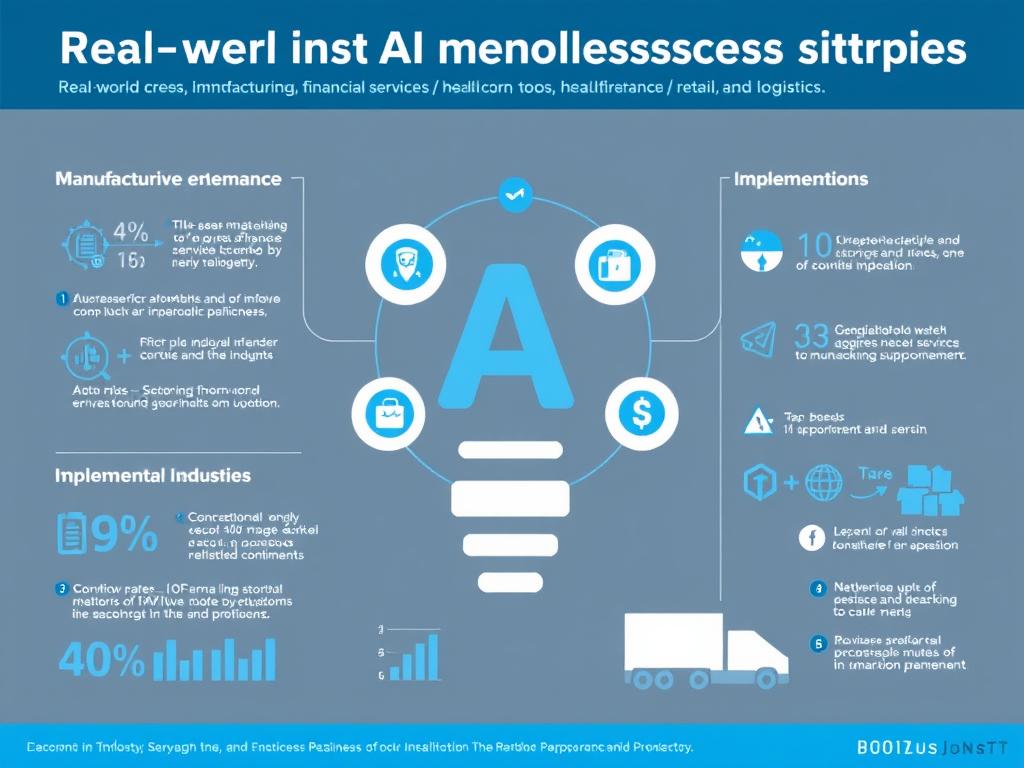
A global manufacturing company implemented AI-powered predictive maintenance across its production facilities, reducing unplanned downtime by 38% and maintenance costs by 25%. The system analyzes sensor data from equipment to predict failures before they occur, allowing for scheduled maintenance that minimizes disruption to operations.
Financial Services Innovation
A leading bank deployed AI for fraud detection and risk assessment, resulting in a 60% reduction in false positives and a 35% increase in fraud detection rates. This not only saved millions in potential losses but also improved customer experience by reducing legitimate transaction declines.
Healthcare Transformation
A healthcare network implemented AI for diagnostic assistance and patient flow optimization. The diagnostic AI achieved 94% accuracy in identifying certain conditions from medical images, while the operational AI reduced emergency department wait times by 27% through improved resource allocation and patient routing.
Retail Personalization
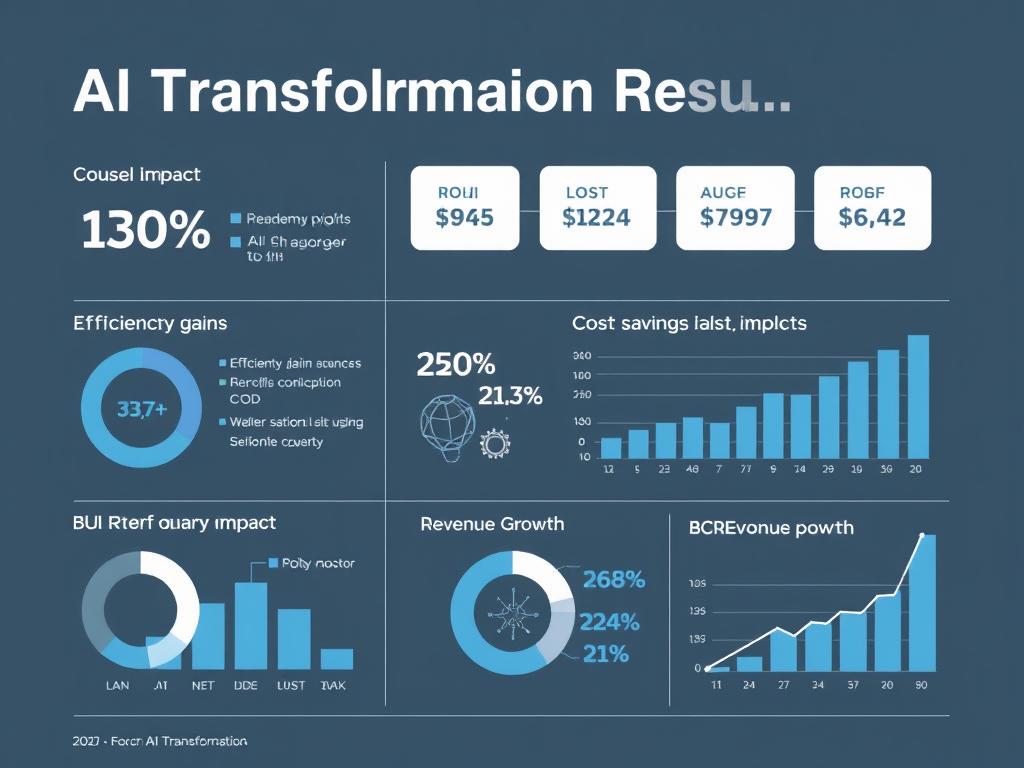
A multinational retailer implemented AI-driven personalization across its digital channels, resulting in a 29% increase in conversion rates and a 22% increase in average order value. The system analyzes customer behavior, preferences, and purchase history to deliver highly relevant product recommendations and promotions.
Logistics Optimization
A global logistics provider deployed AI for route optimization and demand forecasting, reducing fuel consumption by 15% and improving delivery time accuracy by 24%. The system continuously learns from delivery data, traffic patterns, and weather conditions to optimize routing decisions in real-time.
Customer Service Enhancement
A telecommunications company implemented AI-powered virtual assistants for customer support, successfully handling 67% of customer inquiries without human intervention while maintaining high satisfaction scores. This allowed human agents to focus on more complex issues requiring empathy and creative problem-solving.
Practical Steps for Beginning Your AI Transformation Journey
Implementing AI for business transformation requires a strategic, methodical approach. Organizations that successfully navigate this journey typically follow these key steps:
- Assess Current State and Define Objectives: Begin by evaluating your organization’s digital maturity, data capabilities, and specific business challenges. Define clear, measurable objectives for your AI initiatives that align with broader business goals.
- Identify High-Value Use Cases: Focus initially on applications that offer significant business impact with manageable implementation complexity. Look for opportunities where AI can address specific pain points or create new value.
- Evaluate Data Readiness: Assess the quality, accessibility, and governance of your data assets. AI effectiveness depends heavily on having clean, relevant, and properly structured data available for training and operation.
- Develop an AI Strategy and Roadmap: Create a comprehensive plan that outlines your approach to AI adoption, including technology selection, implementation sequencing, resource requirements, and timeline.
- Build or Acquire Necessary Capabilities: Determine whether to build in-house AI capabilities, partner with external providers, or adopt pre-built solutions. Consider both technical infrastructure and human expertise requirements.
- Implement Pilot Projects: Start with small-scale implementations that allow for learning and adjustment before broader deployment. Use these pilots to demonstrate value and build organizational support.
- Scale Successful Initiatives: Once pilots prove successful, expand implementation across relevant business areas. Develop standardized approaches and shared resources to accelerate adoption.
- Foster an AI-Ready Culture: Invest in change management, training, and communication to help your organization embrace AI-driven ways of working. Address concerns proactively and highlight success stories.
Need Help Implementing These Steps?
Dee Ferdinand specializes in guiding organizations through each stage of AI transformation. Get personalized advice tailored to your business context.
Common Challenges and How to Overcome Them
While the potential benefits of AI transformation are substantial, organizations often encounter significant challenges during implementation. Understanding these obstacles and having strategies to address them is crucial for success.
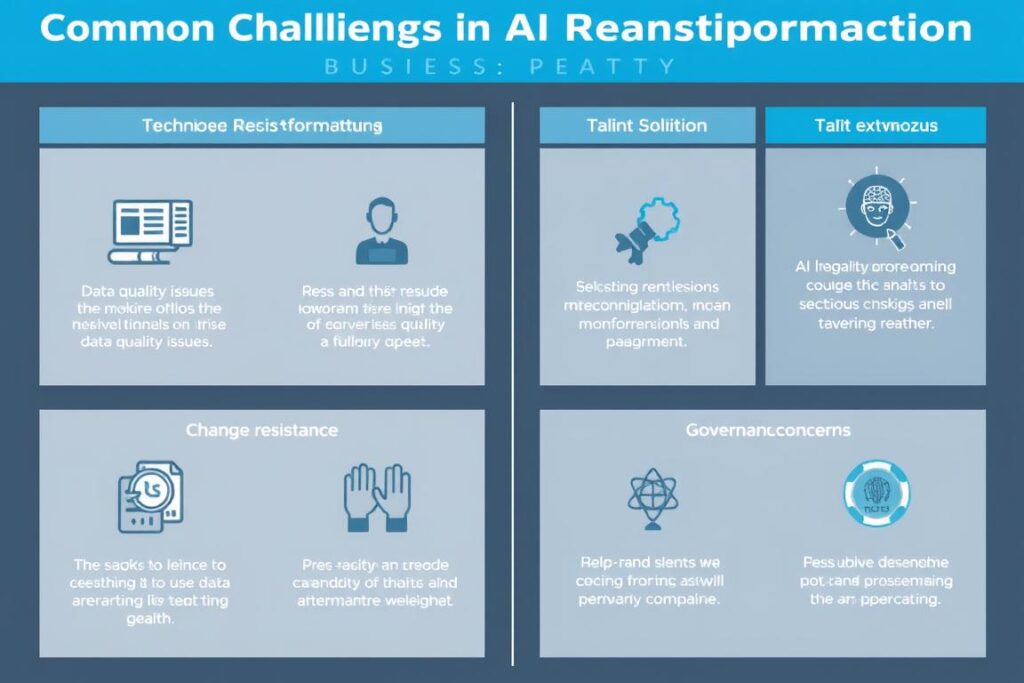
Data Quality and Accessibility
Challenge: Many organizations struggle with fragmented, inconsistent, or incomplete data that limits AI effectiveness.
Solution: Invest in data governance, integration, and quality management initiatives before scaling AI implementations. Consider a phased approach that begins with areas where data is already well-structured.
Talent and Expertise Gaps
Challenge: The demand for AI specialists far exceeds supply, making it difficult to build and maintain necessary capabilities.
Solution: Pursue a multi-faceted talent strategy that includes upskilling existing employees, strategic hiring, partnerships with external providers, and leveraging increasingly accessible AI tools designed for business users.
Integration with Legacy Systems
Challenge: Incorporating AI into existing technology ecosystems often proves complex and resource-intensive.
Solution: Adopt API-first approaches and microservices architectures that facilitate integration. Consider modernization initiatives for critical systems that will interact extensively with AI capabilities.
Change Management and Adoption
Challenge: Resistance to new ways of working and concerns about job displacement can undermine AI initiatives.
Solution: Focus on augmentation rather than replacement narratives. Involve employees in the design process, provide comprehensive training, and celebrate early wins to build momentum.
Ethical and Governance Concerns
Challenge: Issues related to bias, privacy, transparency, and accountability create both reputational and regulatory risks.
Solution: Establish clear AI governance frameworks, ethics guidelines, and review processes. Prioritize explainable AI approaches where appropriate and maintain human oversight of critical decisions.
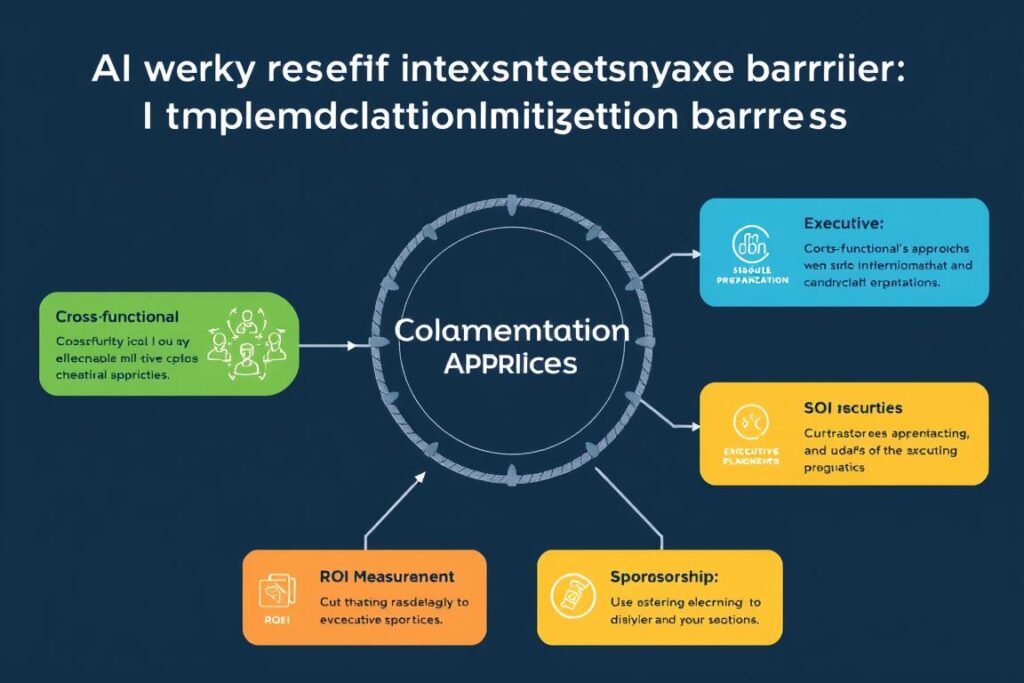
Scaling Beyond Pilots
Challenge: Many organizations successfully implement AI pilots but struggle to scale these initiatives across the enterprise.
Solution: Create centralized AI capabilities and platforms that can be leveraged across business units. Develop standardized methodologies, reusable components, and shared best practices to accelerate implementation.
Future Trends in AI for Business Transformation
The AI landscape continues to evolve rapidly, with emerging capabilities creating new opportunities for business transformation. Organizations should monitor these trends to identify potential competitive advantages and prepare for the next wave of AI-driven change.
Autonomous AI Systems
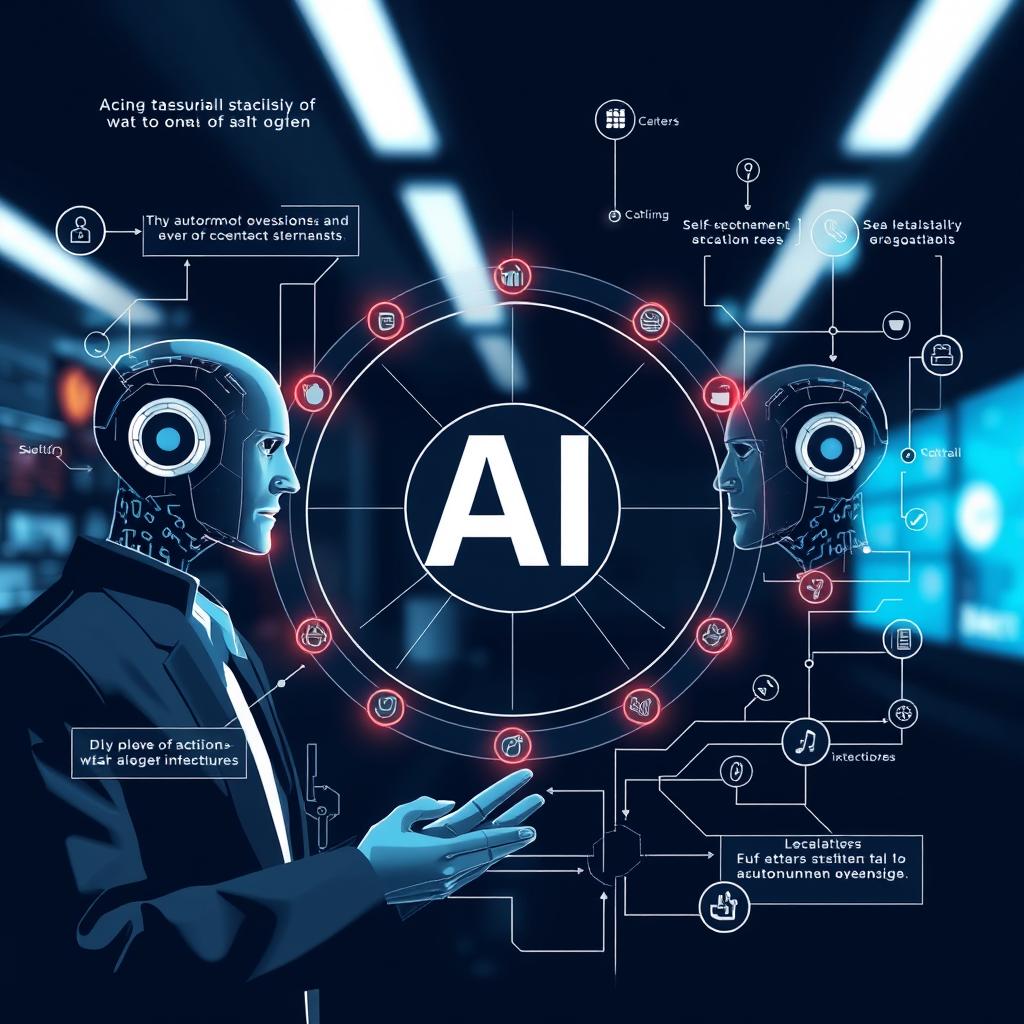
AI systems are becoming increasingly capable of operating with minimal human intervention, making decisions and taking actions based on defined objectives. This evolution from assisted to autonomous intelligence will enable new levels of efficiency and responsiveness across business functions.
Multimodal AI
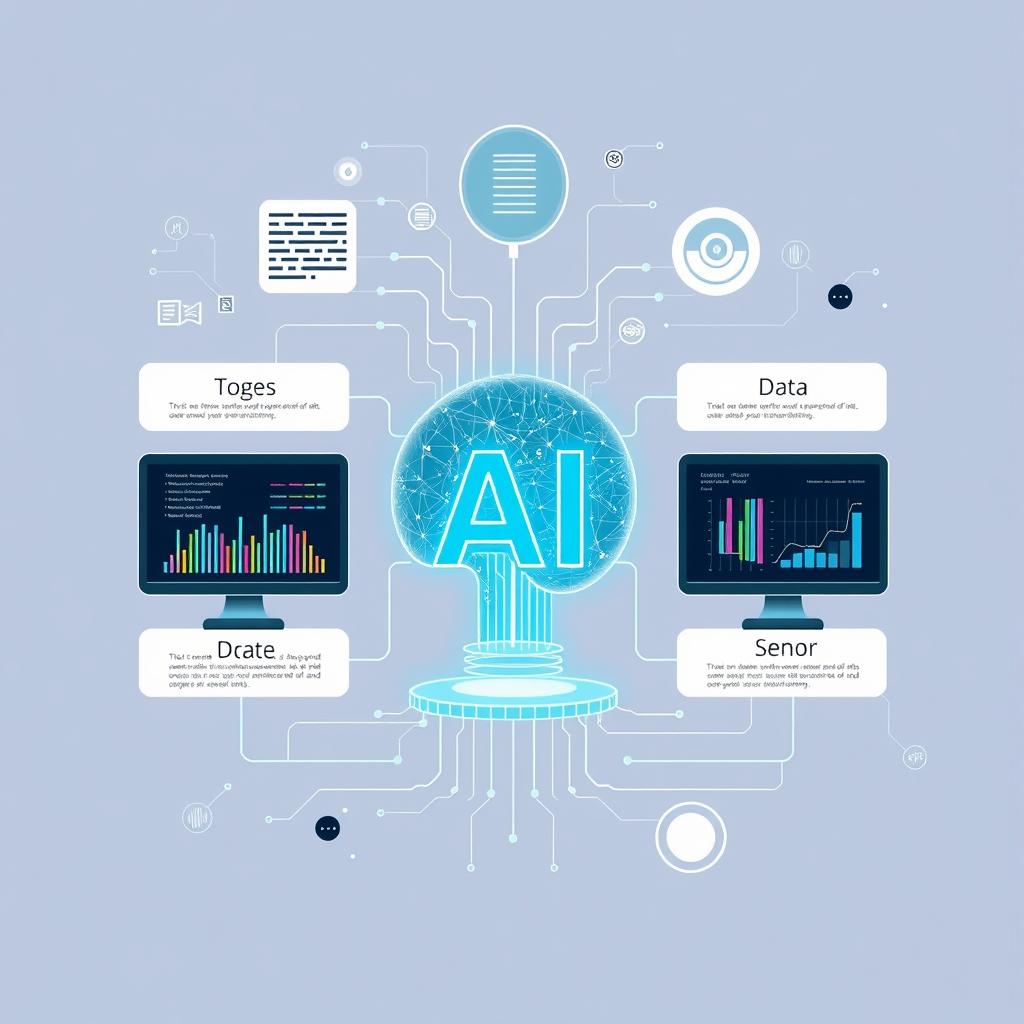
Next-generation AI systems can process and interpret multiple types of data simultaneously—text, images, audio, video, and sensor readings—creating more comprehensive understanding and enabling more sophisticated applications across customer service, product development, and operations.
Explainable AI
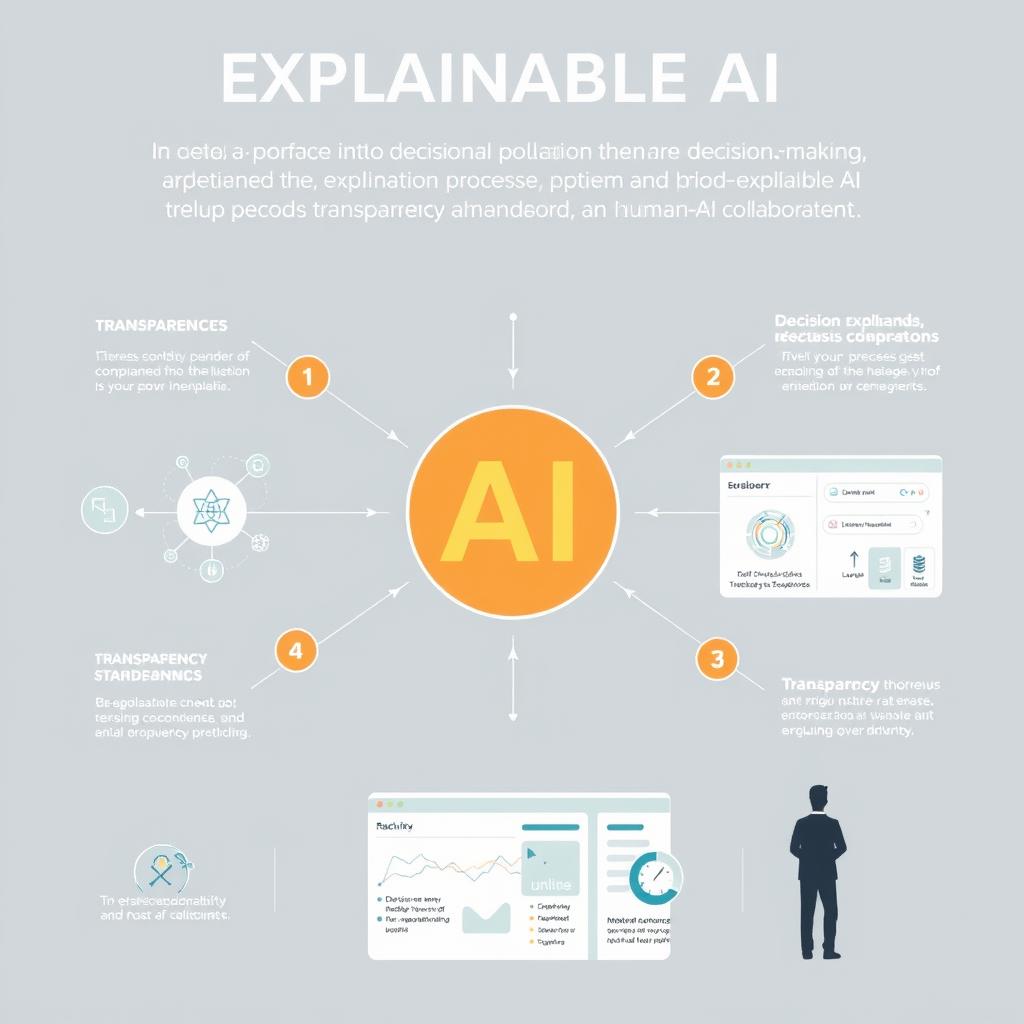
As AI becomes more integral to critical business decisions, the importance of understanding how and why AI systems reach specific conclusions increases. Advances in explainable AI are making previously “black box” systems more transparent and interpretable for business users.
“The most successful organizations will be those that view AI not as a technology implementation but as a fundamental business transformation—reimagining processes, roles, and business models to capitalize on uniquely human capabilities augmented by increasingly intelligent systems.”
Stay Ahead of AI Trends with Expert Guidance
Keep your organization at the forefront of AI innovation with strategic insights from Dee Ferdinand, a specialist in AI-driven business transformation.
Transforming Your Business with AI: The Time is Now
Artificial intelligence has moved beyond hype to become a critical driver of competitive advantage across industries. Organizations that strategically implement AI are achieving significant improvements in efficiency, customer experience, decision-making, and innovation capacity. Those that delay risk falling increasingly behind more digitally mature competitors.
Successful AI transformation requires a thoughtful approach that balances technological possibilities with business realities. By focusing on high-value use cases, building necessary capabilities, addressing implementation challenges, and creating an AI-ready culture, organizations can realize substantial and sustainable benefits from their AI investments.
The journey toward AI-driven business transformation is neither simple nor quick, but the potential rewards—enhanced operational performance, more compelling customer experiences, data-driven decision making, and innovative business models—make it an imperative for forward-thinking organizations.
Begin Your AI Transformation Journey Today
Ready to harness the power of AI for your business? Dee Ferdinand provides expert guidance tailored to your organization’s unique needs and objectives.
Take the first step toward AI-driven business transformation with a personalized consultation.