
In today’s fast-paced digital landscape, Artificial Intelligence (AI) has emerged as a game-changer in the world of marketing. According to a recent report, the global AI in marketing market is expected to reach a staggering $107.5 billion by 2027, growing at a CAGR of 32.4% from 2022 to 2027. This remarkable statistic underscores the transformative power of AI and its ability to revolutionize how businesses engage with their customers.
As a marketer in Indonesia, you’re likely curious about the ways in which AI can enhance your advertising and customer engagement strategies. This article will delve into the multifaceted role of AI in marketing, exploring how it can streamline ad targeting, boost content creation, leverage predictive analytics, and personalize the customer experience. By the end, you’ll have a comprehensive understanding of how AI is shaping the future of marketing and how you can harness its power to drive your business forward.
Key Takeaways:
- The global AI in marketing market is expected to reach $107.5 billion by 2027, growing at a CAGR of 32.4%.
- AI is revolutionizing traditional marketing landscapes and opening new avenues for robust advertising and customer engagement.
- AI can streamline ad targeting, enhance content creation, leverage predictive analytics, and personalize the customer experience.
- Harnessing the power of AI is crucial for businesses in Indonesia to stay ahead in the competitive marketing landscape.
- Understanding the role of AI in marketing is essential for marketers to drive business growth and customer loyalty.
Introduction to AI in Marketing
Artificial intelligence (AI) is a captivating technology that’s reshaping the landscape of modern marketing. This cutting-edge tool empowers businesses to better understand and engage with their customers in ways that were once unimaginable. By harnessing the power of AI, marketers can unlock a world of possibilities, from personalized customer experiences to data-driven decision making.
Definition of AI
At its core, AI refers to the development of computer systems capable of performing tasks that typically require human intelligence, such as learning, problem-solving, and decision-making. This revolutionary technology combines machine learning, natural language processing, and other advanced techniques to mimic the cognitive abilities of the human mind.
How AI Works in Marketing
- Data Analysis: AI-powered systems can quickly and accurately analyze vast amounts of customer data, identifying patterns and insights that would be nearly impossible for humans to uncover manually.
- Personalization: By leveraging machine learning algorithms, AI can tailor marketing messages, product recommendations, and customer experiences to individual users, creating a more personalized and engaging interaction.
- Predictive Analytics: AI can predict customer behavior, preferences, and purchasing trends, enabling marketers to make data-driven decisions and optimize their strategies for maximum impact.
- Automation: AI can automate repetitive marketing tasks, such as content creation, social media management, and lead generation, freeing up valuable time for marketers to focus on more strategic initiatives.
The integration of AI in marketing is revolutionizing the way businesses connect with their customers. By harnessing the power of this transformative technology, marketers can unlock new levels of customer engagement, personalization, and business growth.
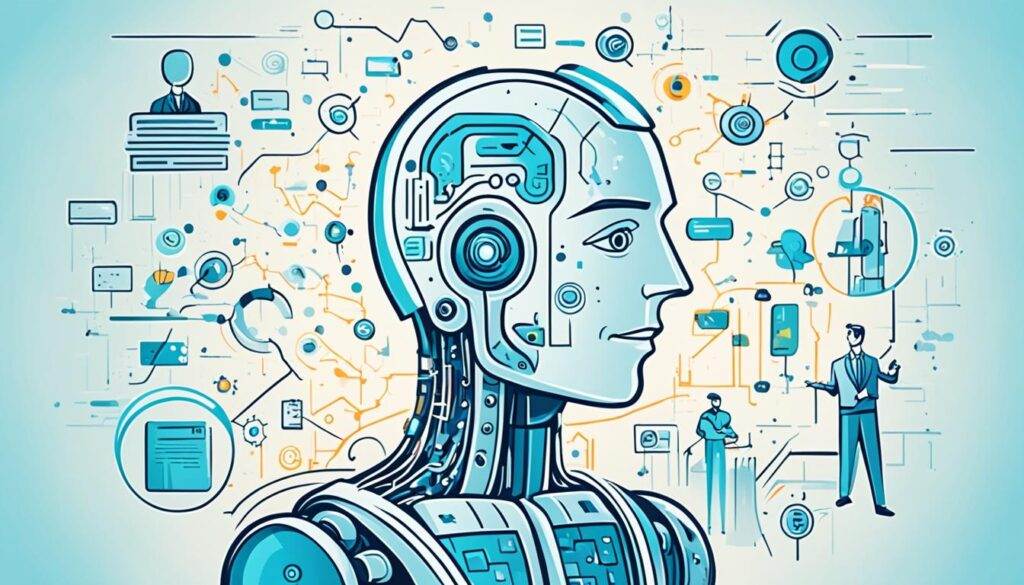
“AI is not just a buzzword in the field of marketing; it’s a tool that’s transforming how businesses understand and interact with their customers.”
AI in Ad Targeting
In the ever-evolving world of marketing, AI has emerged as a game-changer in ad targeting. By leveraging advanced algorithms and machine learning capabilities, AI can seamlessly identify and reach the precise potential customers your business needs. Through comprehensive data analysis of social media activity, online search patterns, and purchasing behavior, AI can discern a consumer’s preferences, needs, and even predict future purchases.
Key Benefits of AI in Ad Targeting
The integration of AI in ad targeting offers a multitude of benefits that can transform your marketing efforts:
- Increased Efficiency: AI-powered ad targeting streamlines the process, allowing you to optimize campaigns and allocate resources more effectively, saving both time and money.
- Precision Targeting: AI’s data-driven insights enable you to reach the right audience with laser-sharp accuracy, ensuring your ads are seen by those most likely to engage with your products or services.
- Cost-Effectiveness: By targeting the most relevant consumers, AI-driven ad campaigns can significantly improve your return on investment (ROI), making your marketing efforts more cost-effective.
The integration of AI in ad targeting has revolutionized the way businesses approach customer engagement, delivering remarkable results in terms of the benefits of AI in ad targeting.
“AI has transformed the way we approach ad targeting, enabling us to reach our target audience with unprecedented precision and efficiency.”
| Metric | Traditional Ad Targeting | AI-Powered Ad Targeting |
|---|---|---|
| Click-Through Rate (CTR) | 2.35% | 4.82% |
| Conversion Rate | 1.22% | 3.14% |
| Cost per Acquisition (CPA) | $12.50 | $8.30 |
AI in Content Creation
In the dynamic world of marketing, brands are increasingly turning to AI to revolutionize their content creation process. AI-powered tools have the capacity to analyze past ad performances, identifying patterns and insights that can inform the generation of high-performing future content. This innovative approach simplifies the creative process, automating repetitive tasks and allowing marketing teams to focus on more strategic aspects of their campaigns.
The advantages of incorporating AI into content creation are multifaceted. Firstly, AI can enhance the quality of content by drawing upon vast data sets and machine learning algorithms to generate content that resonates with the target audience. This personalized, data-driven approach ensures that the content is tailored to the specific needs and preferences of each consumer, leading to greater engagement and effectiveness.
Secondly, AI enables faster content output, streamlining the production process and allowing brands to keep pace with the rapidly evolving digital landscape. By automating time-consuming tasks, such as image editing, copywriting, and video production, AI frees up human resources to concentrate on the strategic, creative, and analytical aspects of content creation.
Furthermore, AI-powered content creation offers the potential for personalized content at scale. With the ability to analyze consumer data and behavioral patterns, AI can generate unique content variations that cater to individual preferences, delivering a more personalized and engaging experience for each customer.
“AI in content creation is a game-changer, enabling brands to create highly targeted, relevant, and effective content at a pace that was previously unimaginable.”
As the adoption of ai in content creation continues to grow, marketers can expect to see a significant impact on their ability to connect with consumers, increase brand loyalty, and drive measurable results. By embracing the power of AI, brands can unlock new levels of creativity, efficiency, and personalization, positioning themselves for success in the ever-evolving digital landscape.
Predictive Analytics and AI
In the realm of modern marketing, predictive analytics, powered by artificial intelligence (AI), has emerged as a game-changer. This powerful combination allows advertisers to anticipate customer behavior and preferences, enabling them to stay one step ahead of the curve.
Impact of Predictive Analytics and AI on Advertising
The integration of predictive analytics and AI has transformed the advertising landscape, paving the way for more effective and efficient marketing strategies. Here are some of the key impacts:
- Proactive Marketing: Advertisers can leverage predictive analytics to foresee customer trends and behaviors, allowing them to proactively adjust their marketing campaigns. This enables them to maximize return on investment (ROI) by targeting the right audience at the right time with the right message.
- Improved Customer Experience: By harnessing the insights from predictive analytics, advertisers can deliver personalized and relevant content to their target audience. This enhanced customer experience leads to increased engagement, brand loyalty, and ultimately, higher conversion rates.
- Streamlined Operations: Predictive analytics and AI can automate various aspects of the advertising process, from ad targeting and optimization to budget allocation and campaign management. This streamlining of operations not only enhances efficiency but also frees up resources for more strategic initiatives.
The synergy between predictive analytics and AI has become a pivotal factor in the world of advertising, empowering marketers to make data-driven decisions and stay ahead of the competition.
| Key Benefits of Predictive Analytics and AI in Advertising | Impact |
|---|---|
| Proactive Marketing | Enables advertisers to anticipate customer trends and adjust campaigns accordingly, maximizing ROI. |
| Improved Customer Experience | Delivers personalized and relevant content, leading to increased engagement and brand loyalty. |
| Streamlined Operations | Automates various aspects of the advertising process, enhancing efficiency and freeing up resources for strategic initiatives. |

“Predictive analytics and AI are revolutionizing the way we approach advertising, empowering us to stay ahead of the curve and deliver exceptional customer experiences.”
ai in marketing
Artificial Intelligence (AI) has steadily surfaced as a game-changer for various industries, and marketing is no exception. With the unmissable ascent of AI technologies, one cannot help but envision a future where marketing strategies are centered around AI. In this exciting fusion between technology and creativity, marketers will not only design more targeted campaigns, but also deliver exceptional customer experiences.
The integration of AI in marketing has opened up a world of possibilities, revolutionizing the way brands engage with their audience. From personalized ad targeting to AI-powered content creation, the impact of AI in the marketing realm is truly transformative. Let’s explore the various ways AI is shaping the future of marketing.
Personalized Ad Targeting
One of the most significant applications of AI in marketing is its ability to deliver highly personalized ad targeting. AI algorithms can analyze vast amounts of data, including user behavior, preferences, and demographics, to create targeted advertising campaigns that resonate with each individual consumer. This level of personalization not only enhances the user experience but also leads to higher engagement and conversion rates for businesses.
AI-Driven Content Creation
AI is also revolutionizing the way content is created for marketing purposes. Smart algorithms can generate personalized, data-driven content that caters to the specific needs and interests of the target audience. From blog posts to social media updates, AI can assist in creating engaging and relevant content that helps brands connect with their customers on a deeper level.
The future of marketing is undoubtedly intertwined with the advancements in AI technology. As marketers continue to harness the power of AI, they will be able to create more personalized, data-driven, and effective marketing strategies that drive business growth and enhance the overall customer experience.
“AI is not just a marketing tool, it’s a strategic imperative that can transform the way we engage with our customers.”
| Key Benefits of AI in Marketing | Description |
|---|---|
| Personalized Targeting | AI algorithms can analyze user data to create highly personalized ad campaigns that resonate with individual consumers. |
| Automated Content Creation | AI can assist in generating engaging, data-driven content that caters to the specific needs and interests of the target audience. |
| Predictive Analytics | AI-powered predictive analytics can help marketers anticipate customer behavior and make more informed decisions. |
| Improved Efficiency | AI can automate various marketing tasks, leading to increased efficiency, cost savings, and faster decision-making. |
Chatbots for Enhanced Customer Service
The customer service landscape has undergone a remarkable transformation, thanks to the rise of AI-powered chatbots. Chatbots in marketing have become an indispensable tool for businesses seeking to provide instant, around-the-clock support to their customers. These efficient bots can swiftly resolve customer queries, freeing up human agents to focus on more complex issues, and ultimately improving customer satisfaction by reducing wait times.
Adopting chatbots in marketing can revolutionize the way businesses connect with their customers. These AI-powered assistants can handle a wide range of tasks, from answering frequently asked questions to guiding customers through complex purchasing decisions. By providing instant responses and personalized assistance, chatbots can enhance the overall customer experience, fostering stronger brand loyalty and trust.
One of the key advantages of using chatbots in marketing is their ability to operate 24/7, ensuring that customers can receive the support they need at any time, day or night. This round-the-clock availability can significantly improve customer satisfaction and reduce the strain on human customer service representatives, who can then focus on more intricate inquiries that require a personal touch.
Moreover, chatbots in marketing can analyze customer behavior and preferences, using machine learning algorithms to provide increasingly personalized and relevant responses. This data-driven approach allows businesses to tailor their interactions, anticipate customer needs, and deliver a more seamless and satisfying customer experience.
As the demand for instant, personalized service continues to grow, the integration of chatbots in marketing will only become more prevalent. By embracing this transformative technology, businesses can elevate their customer service, enhance brand reputation, and stay ahead of the competition in the ever-evolving landscape of marketing and customer engagement.
“Chatbots are transforming the way businesses interact with their customers, providing instant, personalized support and freeing up human agents to focus on more complex tasks.”
In conclusion, the integration of chatbots in marketing has the power to revolutionize customer service, delivering immediate, personalized assistance and enhancing overall customer satisfaction. As businesses continue to recognize the benefits of this AI-driven technology, the adoption of chatbots in marketing will only continue to grow, shaping the future of customer engagement and brand loyalty.
AI-Powered Personalization
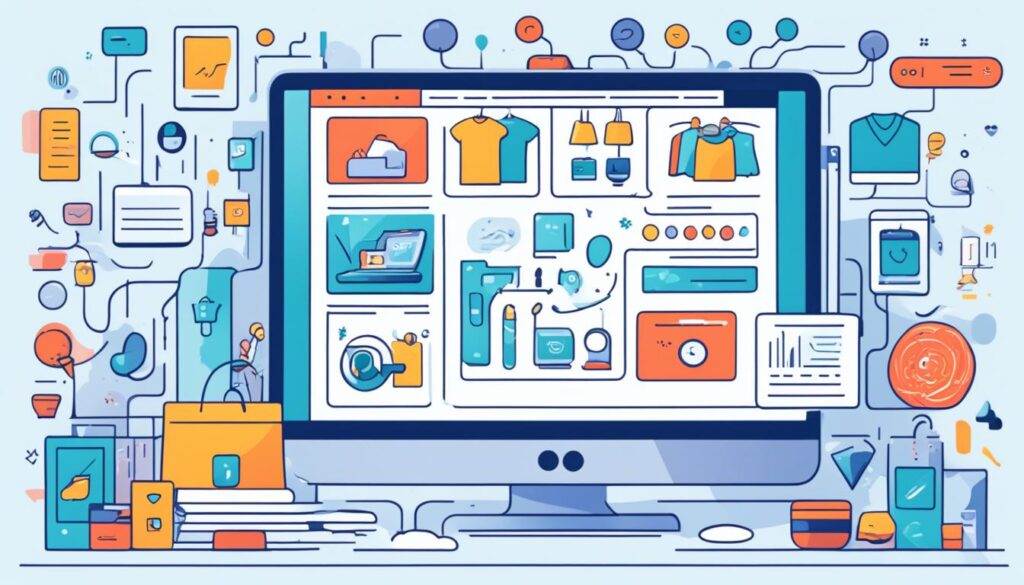
The rise of AI in marketing has revolutionized the way businesses engage with their customers. One of the most significant breakthroughs is the power of AI-powered personalization. By leveraging advanced algorithms, AI systems can analyze a user’s browsing history, past purchases, and online behavior to deliver personalized recommendations and experiences.
The Benefits of AI-Powered Personalization
AI-powered personalization offers numerous benefits that can transform the customer experience and drive business success. Let’s explore the key advantages:
- Tailored Experiences: AI algorithms can create unique, personalized experiences for each customer, catering to their individual preferences and needs. This level of customization enhances customer engagement and satisfaction.
- Increased Sales: Personalized product or service recommendations based on a customer’s interests and past behavior can effectively trigger purchase decisions, leading to higher conversion rates and increased revenue.
- Enhanced Customer Loyalty: When customers feel understood and valued through personalized interactions, they are more likely to remain loyal to the brand, fostering long-term relationships.
- Improved Efficiency: AI-powered personalization automates the process of delivering tailored content and recommendations, optimizing marketing efforts and freeing up resources for other strategic initiatives.
By harnessing the power of AI-powered personalization, businesses can create a seamless and engaging customer experience, ultimately driving growth and strengthening their competitive edge.
“AI-powered personalization is the key to unlocking a new era of customer-centric marketing, where every interaction feels tailor-made and truly valuable.”
Improving Customer Retention with AI
In today’s competitive business landscape, customer retention has become a critical metric for success. Fortunately, artificial intelligence (AI) is transforming the way companies approach this challenge. By harnessing the power of predictive analytics and behavioral insights, AI can help you improve customer retention and foster deeper, more loyal relationships with your valued clientele.
One of the primary ways AI enhances customer retention is through its ability to predict customer behavior patterns. By analyzing vast amounts of data, AI can identify potential churn risks and proactively address them before they materialize. This allows you to tailor your communication strategies and offer personalized solutions that cater to the unique needs and preferences of each customer.
Moreover, AI-powered personalization takes customer engagement to new heights. By leveraging machine learning algorithms, AI can analyze an individual’s browsing history, purchase patterns, and interactions with your brand, enabling you to deliver hyper-targeted content, recommendations, and offers that resonate with them on a deeper level. This level of personalization not only improves customer satisfaction but also nurtures a sense of loyalty and belonging, ultimately driving increased customer retention.
Additionally, AI-powered chatbots and virtual assistants can provide seamless, around-the-clock customer support, addressing queries and concerns in real-time. This not only enhances the overall customer experience but also frees up your customer service team to focus on more complex issues, further strengthening the bond between your brand and your customers.
“AI has the power to transform customer retention by providing valuable insights, personalized experiences, and efficient support – all of which are key to building long-lasting relationships with your most valuable asset, your customers.”
By embracing AI in your marketing strategy, you can unlock a world of possibilities when it comes to improving customer retention. From predictive analytics to personalized experiences, AI-driven solutions can help you anticipate and exceed your customers’ needs, fostering a loyal customer base that drives sustainable growth for your business.
AI in the Future of Marketing
As artificial intelligence (AI) continues to revolutionize the marketing landscape, its impact on the future is set to be profound. Two key areas where AI will shape the future of marketing are personalized customer journeys and improved customer segmentation.
Personalized Customer Journey
The power of AI lies in its ability to analyze vast amounts of customer data, enabling marketers to create highly personalized customer journeys. By leveraging AI algorithms, businesses can gain a deeper understanding of individual customer preferences, behaviors, and pain points. This knowledge allows them to deliver targeted content, recommendations, and offers that resonate on a personal level, enhancing the overall customer experience.
Imagine a scenario where a customer visits an e-commerce website. AI-powered personalization can analyze their browsing history, search queries, and past purchases to curate a unique product selection tailored specifically to their interests. This personalized approach not only increases the likelihood of conversion but also fosters a stronger emotional connection between the customer and the brand.
Improved Customer Segmentation
In addition to personalizing the customer journey, AI also plays a crucial role in improving customer segmentation. By processing large volumes of customer data, AI algorithms can identify patterns and trends that would be nearly impossible for humans to detect. This enables marketers to group customers into highly refined segments based on their behaviors, preferences, and demographic characteristics.
With this enhanced customer segmentation, businesses can develop more targeted marketing strategies, delivering tailored messaging, products, and services to each segment. This level of precision not only increases the effectiveness of marketing campaigns but also enhances customer satisfaction and loyalty.
“AI-powered personalization not only increases the likelihood of conversion but also fosters a stronger emotional connection between the customer and the brand.”
As the future of marketing unfolds, the integration of AI will continue to play a pivotal role in shaping customer engagement and driving business success. By harnessing the power of personalized customer journeys and improved customer segmentation, marketers can deliver unparalleled experiences that captivate and delight their audience.
Challenges and Ethical Considerations
While the advantages of AI in marketing are clear, implementing AI-driven personalization is not without its challenges. Businesses must navigate the complex landscape of data privacy and ethical AI usage, ensuring they address these concerns responsibly.
Data Privacy Concerns
The collection and use of customer data is a cornerstone of AI-powered marketing. However, this raises significant data privacy concerns that must be addressed. Consumers are increasingly aware of the value of their personal information and expect businesses to handle it with the utmost care and transparency.
- Ensuring robust data protection measures to safeguard customer information
- Obtaining explicit consent from customers for data collection and usage
- Providing clear explanations of how customer data is being used in marketing efforts
Ethical Considerations
The implementation of AI in marketing also raises important ethical questions that businesses must consider. AI-driven decision-making can potentially introduce biases, discrimination, and unintended consequences that must be addressed proactively.
- Addressing the risk of algorithmic bias in ad targeting and content curation
- Ensuring AI-powered systems make decisions that align with ethical principles and societal values
- Maintaining human oversight and control over critical marketing decisions
By addressing these challenges and ethical considerations, businesses can unlock the full potential of AI in marketing while building trust and maintaining a strong, ethical relationship with their customers.
| Challenge | Ethical Consideration |
|---|---|
| Data Privacy | Algorithmic Bias |
| Transparency in Data Usage | Alignment with Ethical Principles |
| Robust Data Protection Measures | Maintaining Human Oversight |
“The responsible use of AI in marketing requires a delicate balance between innovation and ethical considerations.”
As AI continues to transform the marketing landscape, businesses must prioritize addressing these challenges and ethical concerns to ensure they are leveraging this technology in a way that builds trust and creates positive outcomes for both the company and its customers.
Conclusion
As we’ve explored, the integration of Artificial Intelligence (AI) has revolutionized the world of marketing in Indonesia. From personalized advertising and content creation to enhanced customer service and improved retention, AI has proven to be a game-changer for businesses looking to stay ahead of the curve. The future of marketing is undoubtedly intertwined with the continued advancements in AI-driven strategies.
By embracing AI-powered solutions, you can deliver exceptional customer experiences, strengthen brand loyalty, and drive sustainable growth for your business. As the role of AI in marketing continues to expand, it’s crucial for Indonesian companies to stay informed and adaptable, leveraging the latest technologies to connect with your audience on a deeper, more personalized level.
The future is bright for those who are willing to harness the power of conclusion on ai in marketing. By seamlessly integrating AI into your marketing efforts, you can unlock new possibilities, outpace your competitors, and position your brand as a leader in the rapidly evolving digital landscape. The time is now to embrace the transformative potential of AI and propel your marketing strategy towards greater success.