
According to a recent IBM survey, an astounding 42 percent of large-scale businesses have already integrated artificial intelligence (AI) into their operations, while 40 percent are actively considering adopting AI solutions. Moreover, 38 percent have implemented generative AI into their workflows, and 42 percent are planning to do so. This dramatic rise in AI adoption is transforming industries across the board, from manufacturing and healthcare to finance and customer service.
The rapid advancements in AI have revolutionized the way we approach complex problems, streamline workflows, and enhance decision-making. From machine learning and deep learning to natural language processing and neural networks, these innovative technologies are powering the next generation of intelligent systems, including chatbots, language models, speech recognition, and text mining.
However, this rapid progress in web artificial intelligence also raises important questions about job disruption, data privacy challenges, and the need for increased regulation to address ethical concerns and environmental impact. As we delve into the potential and implications of AI, it’s crucial to understand the evolving landscape and prepare for the future it promises to shape.
Key Takeaways
- Artificial intelligence is being rapidly adopted by enterprises, with 42% having integrated AI into their operations and 40% considering it.
- AI is transforming industries by streamlining workflows, enhancing decision-making, and automating tasks.
- Advancements in AI technologies, such as machine learning, deep learning, and natural language processing, are powering intelligent systems like chatbots and language models.
- The rise of AI raises concerns about job disruption, data privacy challenges, and the need for increased regulation.
- Understanding the evolving AI landscape and preparing for its impact is crucial for businesses and individuals alike.
The Rise of AI
The world of AI has witnessed a remarkable evolution, transforming from the early days of computer science experiments in the 1950s to the powerful, AI-driven technologies we know today. This journey has been marked by significant advancements in machine learning and deep learning, paving the way for the latest chapter in AI’s evolution: the rise of generative AI.
Innovations Shaping the Future
At the forefront of this AI revolution are groundbreaking models like OpenAI’s GPT (Generative Pre-trained Transformer) series and the highly acclaimed ChatGPT. These AI systems have demonstrated an impressive ability to process queries and generate relevant text, audio, images, and other content. The impact of these innovations is far-reaching, as businesses and industries explore new ways to leverage AI technologies to enhance their operations and offerings.
The Evolution of AI
The rapid pace of AI evolution has been driven by advancements in machine learning and deep learning algorithms. These techniques have enabled AI systems to excel at perception, reasoning, and generalization, empowering them to tackle complex tasks with increasing efficiency. From sequencing RNA for vaccine development to modeling human speech patterns, AI has become an indispensable tool in various industries and fields of research.
As the AI landscape continues to expand, the future looks increasingly promising. With the integration of machine learning, deep learning, and generative AI technologies, businesses and individuals are poised to harness the power of AI innovations to drive unprecedented progress and transformation.

“The pace of AI innovation is truly astonishing, and we’re only scratching the surface of what these AI technologies are capable of. The future is brimming with possibilities as we continue to push the boundaries of what’s possible with machine learning and deep learning.”
Improved Business Automation
The rise of web artificial intelligence is transforming the way businesses operate, with a significant focus on business automation. Approximately 55 percent of organizations have adopted AI to varying degrees, suggesting increased automation for many businesses in the near future.
AI-powered chatbots and digital assistants are revolutionizing customer service and employee support, handling simple interactions and queries with ease. These AI-powered tools can accelerate decision-making by analyzing large amounts of data and converting findings into visual insights, empowering businesses to make informed decisions more efficiently.
“If [developers] understand what the technology is capable of and they understand the domain very well, they start to make connections and say, ‘Maybe this is an AI problem, maybe that’s an AI problem.'” – Mike Mendelson, learner experience designer for NVIDIA
As businesses continue to embrace data analysis and AI-powered tools, the potential for improved business automation is vast. From streamlining administrative tasks to optimizing workflow, the integration of AI-driven solutions is poised to transform the way organizations operate, leading to increased efficiency, cost-savings, and a more agile, data-driven decision-making process.

Job Disruption and Upskilling
As the AI revolution continues to reshape industries, there are growing concerns about job disruption and the potential for widespread job losses. Studies suggest that AI automation could lead to employees believing that nearly one-third of their tasks could be performed by artificial intelligence. While roles like secretaries face a higher risk of automation, the demand for specialized skills like machine learning and information security analysis has surged.
Job Losses and Shifts
While the fear of job losses due to AI automation is understandable, the reality is more nuanced. Certain manual and repetitive jobs are indeed at risk of being replaced by machines. However, the emergence of AI has also created new job opportunities in areas like data analysis, programming, and cybersecurity. The key is for workers to stay ahead of the curve and continually upskill and reskill to adapt to the changing job market.
Augmenting Skilled and Creative Roles
Interestingly, workers in more skilled or creative positions are less likely to have their jobs completely replaced by AI. Instead, AI is more likely to augment and enhance their capabilities, rather than fully automate their roles. As Klara Nahrstedt, a computer science professor at the University of Illinois at Urbana–Champaign, explains, “One of the absolute prerequisites for AI to be successful in many [areas] is that we invest tremendously in education to retrain people for new jobs.”
The future of work will require a delicate balance between embracing AI’s capabilities and ensuring that human workers are equipped with the skills necessary to thrive in an increasingly automated landscape. By proactively upskilling and reskilling, workers can position themselves to capitalize on the opportunities presented by the AI revolution, rather than being disrupted by it.

“One of the absolute prerequisites for AI to be successful in many [areas] is that we invest tremendously in education to retrain people for new jobs.”
– Klara Nahrstedt, Computer Science Professor, University of Illinois at Urbana–Champaign
Data Privacy Challenges
In the age of rapidly advancing artificial intelligence, the issue of data privacy has become increasingly complex and pressing. Companies require large volumes of data to train the models that power generative AI tools, and this process has come under intense scrutiny from regulators and consumer advocates.
Concerns over companies collecting consumers’ personal data have led the Federal Trade Commission (FTC) to open an investigation into whether OpenAI, a leading AI research company, has negatively impacted consumers through its data collection methods. The ongoing FTC probe serves as a stark reminder of the delicate balance between technological progress and consumer privacy.
In response to these growing concerns, the Biden-Harris administration has developed an AI Bill of Rights, which lists data privacy as one of its core principles. This landmark legislation reflects the growing push to prioritize data privacy and compel AI companies to be more transparent and cautious about how they compile training data.
As the use of AI continues to expand, the need for robust data protection laws and regulations has never been more apparent. Businesses must navigate this complex landscape, ensuring they comply with evolving data privacy regulations while still harnessing the power of AI to drive innovation and growth.
| Data Privacy Regulations | Key Provisions |
|---|---|
| General Data Protection Regulation (GDPR) | Requires companies to obtain explicit consent from individuals before collecting and processing their personal data, and imposes strict penalties for non-compliance. |
| California Consumer Privacy Act (CCPA) | Grants California residents the right to know what personal information is being collected about them, the right to delete that information, and the right to opt-out of the sale of their personal information. |
| AI Bill of Rights | Establishes guidelines for the ethical development and deployment of AI systems, including the protection of individual privacy and the right to be informed about how AI-powered decisions are made. |
As the landscape of data privacy continues to evolve, companies must stay vigilant and proactive in their approach to protecting consumer data. By embracing the principles of the AI Bill of Rights and adhering to the latest data protection laws, businesses can build trust with their customers and position themselves for success in the ever-changing world of web artificial intelligence.

web artificial intelligence
In the digital age, web artificial intelligence (web AI) is revolutionizing online experiences in Indonesia and beyond. AI-powered tools and technologies are transforming various aspects of digital operations, from enhancing customer interactions to streamlining business workflows. By leveraging the capabilities of web AI, businesses in Indonesia can optimize their digital presence, automate repetitive tasks, and make informed decisions based on data-driven insights.
One of the key benefits of web AI is its ability to enhance customer experiences. AI-powered chatbots and virtual assistants can provide personalized and efficient support, addressing inquiries and resolving issues in real-time. This not only improves customer satisfaction but also frees up valuable time for your team to focus on more strategic initiatives.
Moreover, web AI can automate a wide range of business processes, from lead generation and content curation to predictive analytics and workflow optimization. By automating these repetitive tasks, your team can devote more time to innovation and strategic decision-making, ultimately driving growth and success in the competitive Indonesian market.
As the adoption of web AI continues to grow, companies in Indonesia are exploring ways to integrate these innovative solutions into their digital strategies. By harnessing the power of web AI, businesses can stay ahead of the curve, meet the evolving needs of their customers, and maintain a strong competitive edge in the dynamic digital landscape.
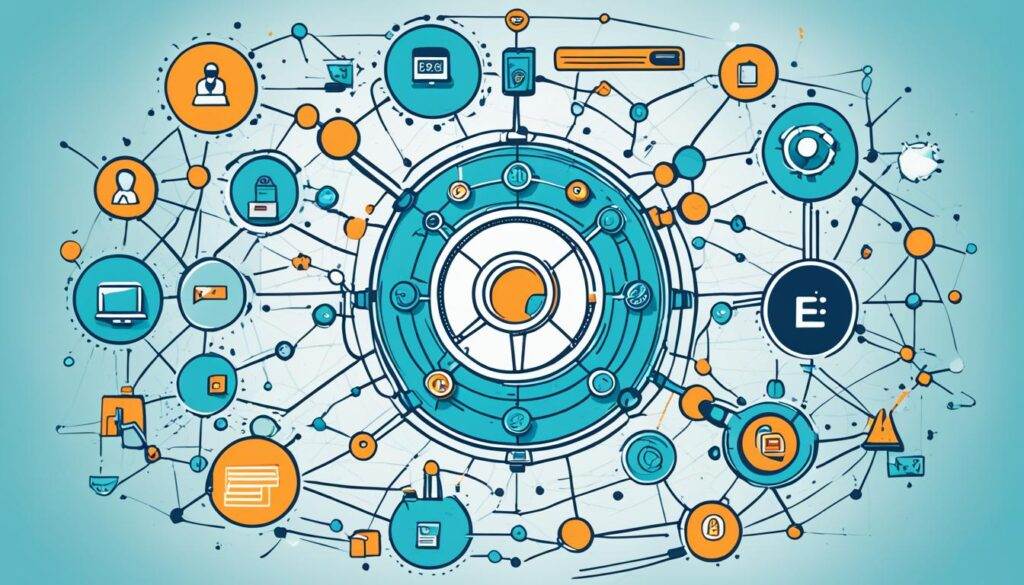
“Web AI is transforming the way we interact with the digital world, ushering in a new era of personalized, efficient, and data-driven experiences.”
As you navigate the exciting world of web AI, consider the following key considerations:
- Explore AI-powered tools and technologies that can enhance your customer interactions and streamline your business workflows.
- Invest in upskilling your team to effectively leverage the capabilities of web AI and stay ahead of the curve.
- Prioritize data privacy and security to build trust with your customers and ensure compliance with relevant regulations.
- Stay informed about the evolving regulatory landscape and intellectual property considerations surrounding web AI.
By embracing web AI and integrating it into your digital strategy, you can unlock a world of possibilities, optimize your workflow, and deliver exceptional experiences for your customers in Indonesia.
Regulatory Landscape
As web artificial intelligence (AI) continues to evolve, the regulatory landscape is becoming increasingly complex. The advent of generative AI, such as ChatGPT, has sparked a surge of intellectual property (IP) lawsuits, challenging the traditional boundaries of copyright and ownership. Meanwhile, government agencies are scrambling to develop policies and guidelines to address the ethical and privacy concerns surrounding AI deployment.
Intellectual Property Lawsuits
The rise of AI-powered content creation has blurred the lines between public and private property. Writers, musicians, and even media outlets like The New York Times have filed copyright lawsuits against AI companies, claiming their work has been used without permission. These legal battles could have far-reaching consequences, shaping how the U.S. legal system interprets intellectual property rights in the age of AI.
Government Regulations and Guidelines
In response to the growing concerns surrounding AI’s impact on data privacy and ethical considerations, the Biden-Harris administration has introduced an AI Bill of Rights. This framework aims to establish guidelines for the responsible development and deployment of AI technologies, ensuring they respect individual privacy, security, and civil liberties. As the AI landscape continues to evolve, the government may consider stricter regulations, depending on the outcome of these IP lawsuits and the shifting political climate.
| Key Developments in AI Regulation | Impact on Businesses and Individuals |
|---|---|
|
|
“The regulatory landscape is a critical battleground for the future of AI. As the technology rapidly evolves, policymakers must strike a delicate balance between fostering innovation and protecting individual rights.”
As the web AI ecosystem continues to expand, the regulatory landscape will undoubtedly shape the trajectory of this transformative technology. Businesses and individuals alike must stay informed and adaptable to navigate the shifting legal and policy environment surrounding AI.
Environmental Impact
As the adoption of web-based artificial intelligence (AI) continues to grow, there are increasing concerns about its environmental impact. While optimists view AI as a tool to enhance sustainability and combat climate change, the energy-intensive nature of AI development and deployment raises valid worries about its potential to contribute to carbon emissions and environmental degradation.
On the positive side, AI can be leveraged to optimize supply chains, implement predictive maintenance, and automate various eco-friendly processes, ultimately reducing carbon emissions and promoting sustainability. AI-powered smart grids, for instance, can help efficiently manage energy consumption and integrate renewable sources, leading to a greener energy landscape.
However, the energy required to create and maintain complex AI models poses a significant challenge. Studies suggest that the carbon footprint of AI could potentially increase by as much as 80% if the development and deployment of these technologies are not carefully managed. The sheer amount of computing power and data storage needed to train and run AI algorithms can result in a substantial energy consumption and environmental impact.
This dilemma highlights the crucial need for developing and deploying AI in a sustainable and eco-conscious manner. Strategies such as using renewable energy sources, improving energy efficiency, and designing AI models with a focus on environmental impact and climate change mitigation will be essential to ensure that the benefits of AI outweigh its potential drawbacks.
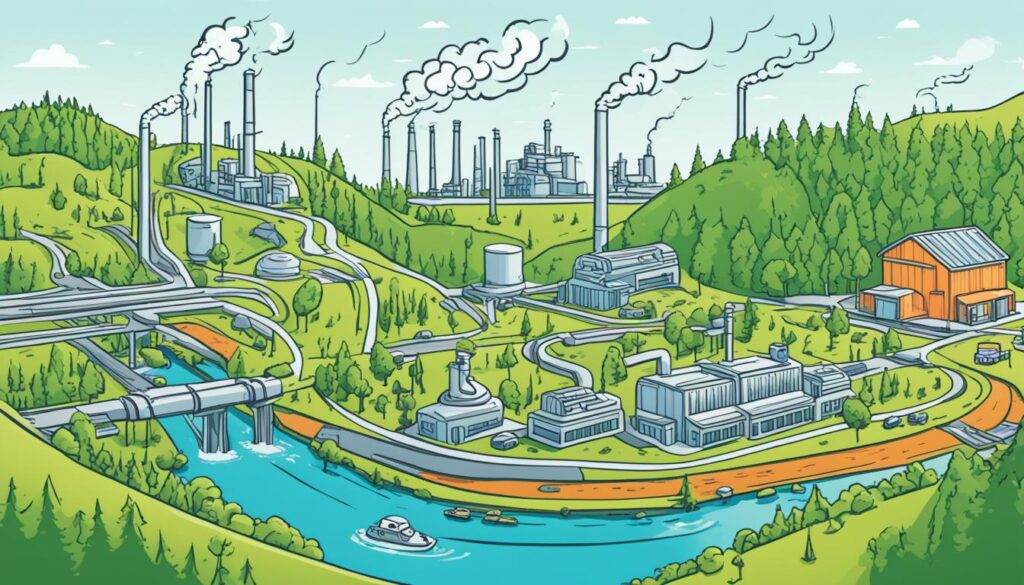
As the AI industry continues to evolve, it is crucial for stakeholders, policymakers, and the public to collaborate in addressing the environmental challenges posed by these technologies. By taking a proactive and responsible approach, we can harness the power of AI to drive positive change and create a more sustainable future.
Industry Transformations
Artificial intelligence (AI) is revolutionizing various industries, from manufacturing to healthcare, finance, education, media, customer service, and transportation. This technological advancement is reshaping the way we work, learn, and interact with the world around us.
In the manufacturing sector, AI-powered robotic arms and predictive analysis sensors are enhancing efficiency and productivity. These intelligent systems can optimize production processes, reduce errors, and anticipate maintenance needs, leading to cost savings and improved product quality.
In the healthcare industry, AI is accelerating disease identification, speeding up drug discovery, and empowering virtual nursing assistants to monitor patients remotely. This technology is transforming the way medical professionals diagnose, treat, and care for individuals, ultimately improving patient outcomes.
The finance industry has also embraced AI, utilizing it for fraud detection, audits, and customer evaluation. AI-driven algorithms can analyze vast amounts of data, identify patterns, and make informed decisions, thereby enhancing the accuracy and efficiency of financial processes.
In the field of education, AI technologies are personalizing learning experiences and detecting plagiarism. Adaptive learning platforms can tailor content and pacing to individual students’ needs, while AI-powered tools can help educators maintain academic integrity.
The media landscape is also undergoing transformation with the integration of AI. Automated content generation and tools that can gauge audience emotions are reshaping the way information is produced, distributed, and consumed.
Moreover, the transportation industry is poised for significant changes with the development of self-driving cars and AI-powered travel planning. These advancements have the potential to improve safety, reduce traffic congestion, and provide more efficient and personalized transportation solutions.
As AI continues to evolve, its impact on various industries is undeniable. From optimizing manufacturing processes to enhancing healthcare outcomes and revolutionizing transportation, this technology is shaping the future of our world.

“AI is not just a technology, but a transformative force that is redefining the way we live, work, and interact with the world around us.”
Conclusion
Web artificial intelligence is rapidly transforming the digital landscape, with businesses in Indonesia and around the world embracing these innovative technologies to streamline operations, enhance customer experiences, and gain a competitive edge. As AI adoption continues to grow, it is crucial to address the challenges and ethical concerns that arise, such as job disruption, data privacy issues, and environmental impact.
Navigating the evolving web AI landscape requires a collaborative effort between governments, policymakers, and industry leaders. By developing responsible AI frameworks and regulations, you can promote the responsible development and deployment of these technologies. This will not only unlock new opportunities for your business, but also position it for success in the digital age.
As the future of AI unfolds, it’s clear that AI trends and advancements will continue to reshape various industries and transform the way we live and work. By embracing these challenges and opportunities, you can harness the power of web artificial intelligence to drive innovation, enhance productivity, and deliver exceptional value to your customers in Indonesia.
FAQ
What is the current state of AI adoption in enterprises?
How has AI revolutionized various industries?
What are the key advancements in AI technology?
How is AI being used for business automation?
What are the concerns around job disruption due to AI?
What are the data privacy concerns surrounding generative AI?
How is web artificial intelligence transforming the digital landscape in Indonesia?
How are AI-related lawsuits and regulations shaping the legal landscape?
What are the environmental implications of AI?
How is AI transforming different industries?
Source Links
- The Future of AI: How AI Is Changing the World | Built In – https://builtin.com/artificial-intelligence/artificial-intelligence-future
- "Artificial Intelligence And The Future Of Power", An Interesting View Of AI In General And India In The Specific – https://www.linkedin.com/pulse/artificial-intelligence-future-power-interesting-view-david-teich
- Ai and Power – https://www.aiandpower.com/